Many retirees discover you may be spending too little in retirement — and that this is quietly costing them the lifestyle they worked decades to afford. Research from BlackRock's LifePath program has found that recent retirees' savings often held steady or even grew in the first years after retirement, largely because people spend far less than they expected to.
That sounds like good news, but underspending has a real cost: neglected health care, delayed home repairs, fewer experiences, and a larger-than-necessary estate built on unnecessary caution. The problem is that fear of running out of money pushes retirees into extremes.
This article walks through five practical secrets to spending your savings confidently, including a withdrawal framework, guardrail strategies, tax timing, and tools to test your plan. By the end, you'll know exactly how to put your money to work — for you, not just for your heirs.
1. Reframe Your Money: It's a Tool, Not a Trophy
The first secret is mental, not mathematical. If you treat your portfolio as a number to protect, you will underspend — and several studies confirm this is the norm rather than the exception.
Analysis often cited from Morningstar's retirement research shows that many retirees die with the bulk of their savings intact, which means decades of discipline produced years of deprivation. You may be spending too little in retirement because your brain still treats every withdrawal as a loss.
Behavioral economists call this "loss aversion" — the pain of watching a balance drop outweighs the pleasure of what the money buys.
The fix is to translate dollars into experiences. Instead of seeing a $5,000 withdrawal, see the trip, the hobby, or the family gathering it funds.
How to apply this: Write down three things you genuinely want to spend on this year, then budget withdrawals against those goals — not against a fear-driven target of zero.
2. Follow a Smarter Withdrawal Strategy Than the 4% Rule
The famous 4% rule came from William Bengen's 1994 research and was designed as a worst-case survival rate, not a spending target. Treating it as a ceiling is one reason you may be spending too little in retirement — in most market scenarios, it's conservative.
Modern research suggests more flexible approaches. Morningstar's annual "State of Retirement Income" report has modeled higher initial withdrawal rates (around 4% or more) for portfolios with a 30-year horizon, depending on market conditions and asset mix.
Here are the main withdrawal approaches to compare:

| Strategy | How it works | Best for | Action to take |
|---|---|---|---|
| Fixed 4% | Withdraw 4% of initial balance, adjust for inflation | Predictable spenders | Test it in a calculator |
| Guardrails | Spend more in good markets, cut in bad ones | Flexible budgets | Review annually |
| Bucket system | Cash, bonds, stocks in separate pools | Anxiety-prone savers | Build a 2-year cash bucket |
| Dynamic percentage | Withdraw a % of current balance | Simplicity seekers | Recalculate each January |
The guardrail approach, popularized by retirement researcher Jonathan Guyton, lets you raise spending when your portfolio outperforms and trim it only when it falls below defined thresholds. Many people who follow it find that you may be spending too little in retirement simply because the old rules never invited them to adjust upward.
How to apply this: Pick one strategy and run your numbers through a free tool like the Vanguard retirement nest egg calculator to see what it supports.
3. Build a Spending Plan With Three Budget Layers
Oversimplified budgets cause underspending. A better structure divides retirement spending into three layers:
- Essential expenses: housing, food, insurance, utilities — funded by guaranteed income
- Lifestyle spending: travel, dining, hobbies — funded by portfolio withdrawals
- Aspirational spending: big trips, second homes, legacy gifts — funded opportunistically
The reason this matters: if you draw all spending from one pool and markets dip, you'll cut everything, even though only the flexible layers need trimming.
Fidelity's retirement planning guidance suggests retirees aim to replace about 45% of their pre-retirement income from savings, with Social Security covering much of the rest — a reminder that the savings layer is meant to be spent, not just preserved.
Layering also reveals where you may be spending too little in retirement: most retirees find their lifestyle layer goes underused, not their essentials layer.
How to apply this: List your recurring essential costs, subtract guaranteed income (Social Security, pensions, annuities), and designate the remainder as your flexible spending bucket.
4. Check Whether Social Security Timing Is Costing You
Social Security timing dramatically affects how much you can safely spend from savings. Claiming at your full retirement age versus age 70 can increase your monthly benefit by roughly 24% or more, according to the Social Security Administration.
The Social Security Administration explains that delayed retirement credits accrue for each month you wait past full retirement age, up to age 70.
That larger guaranteed check does double duty: it raises your baseline income and reduces how much you must withdraw from your portfolio — which lets you spend more aggressively on the flexible layers with less risk.

A bigger guaranteed check is often the quiet cure when you may be spending too little in retirement, because it shrinks the portion of your budget that depends on market returns.
One scenario where waiting doesn't pay: if you have serious health concerns or a shorter family longevity history, claiming earlier and spending the difference may be rational. Timing is personal, not universal.
How to apply this: Create an account at SSA.gov and compare your estimated monthly benefit at 62, full retirement age, and 70 before finalizing your claiming decision.
5. Stress-Test Your Plan With Real Tools, Not Guesswork
The final secret separates confident spenders from anxious ones: testing. If you've never stress-tested your plan, you have no idea how much cushion you actually have — and cushion is what licenses you to spend.
Free and low-cost tools make this accessible:
- Fidelity's Retirement Score estimates whether your savings support your planned spending
- NewRetirement offers detailed Monte Carlo modeling, including taxes and health costs
- SSA.gov provides personalized benefit estimates for income planning
Run your plan through at least one simulator and look at your success rate. If it shows 90%+ success at your current spending, you're likely leaving lifestyle on the table — you may be spending too little in retirement even though your plan could support more.
How to apply this: This week, enter your actual balances and expected expenses into one of the tools above and record your probability of success.
Frequently Asked Questions About you may be spending too little in retirement
How do I know if my underspending is actually a problem?
Compare your annual withdrawals to your portfolio's growth rate. If your balance keeps rising despite withdrawals, you have capacity to spend more. The exception is if you're deliberately building a legacy or saving for late-life care costs — underspending with a purpose is a strategy, while you may be spending too little in retirement purely out of fear.
What if the market crashes right after I retire?
Sequence-of-returns risk is real, which is why guardrails matter. Keep one to two years of expenses in cash so a downturn never forces you to sell stocks at a loss.
If you're within five years of retiring, a financial advisor can help you set aside a dedicated cash cushion before your withdrawal years begin — and knowing that cushion exists is often what stops you may be spending too little in retirement from becoming a habit.
Does underspending affect my taxes?
It can — sometimes negatively. Hoarding in tax-deferred accounts like traditional IRAs can create larger required minimum distributions at 73, pushing you into higher brackets and increasing Medicare premiums (IRMAA). Strategic Roth conversions in low-income years can smooth this out and free up later spending.
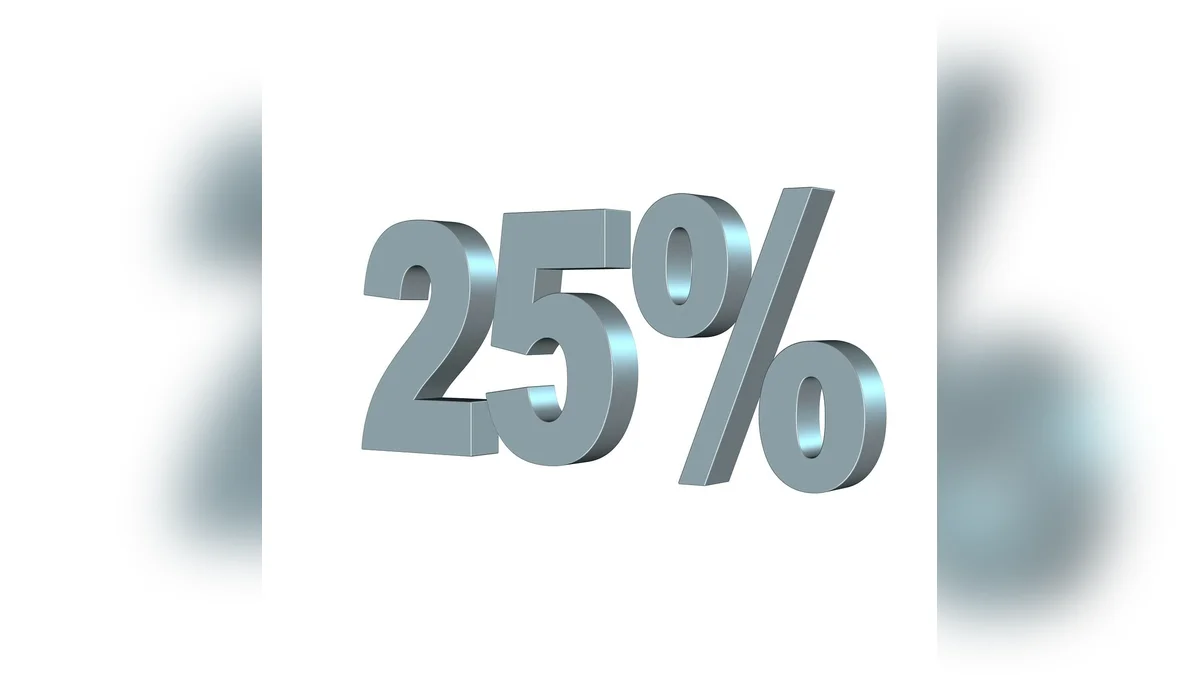
Yes, because leaving money untouched in tax-deferred accounts can trigger bigger required minimum distributions later. If those RMDs spike your income at 73, you may be spending too little in retirement and paying for it at tax time.
An annuity's guaranteed paycheck can give you permission to enjoy the rest of your portfolio guilt-free. If a reliable income floor would ease your fears, you may be spending too little in retirement without one.
Should I spend more or leave money to my kids?
You can do both. Many planners recommend a "spend the income, preserve the principal" middle path, or designating specific assets — like a house or a permanent life policy — as the inheritance while spending the portfolio.
Discussing intentions with heirs often relieves the guilt that drives excessive frugality, a guilt that frequently explains why you may be spending too little in retirement.
When should I consider buying an annuity to spend more freely?
A single-premium immediate annuity converts a lump sum into guaranteed lifetime income, which can psychologically unlock your remaining portfolio for spending. It makes the most sense when your essential expenses exceed your Social Security and pension income. Compare quotes from multiple highly rated insurers before committing.
A single-premium immediate annuity converts a lump sum into guaranteed lifetime income, and you may be spending too little in retirement without that floor.
If your essentials are covered by guaranteed income, you may be spending too little in retirement and can unlock the rest of your portfolio.
Conclusion: Spend With Confidence, Not Recklessness
Retirement is the season your savings were built for. Underspending isn't virtuous — it's a plan failure in the opposite direction.
Key takeaways:
- Retirees consistently underspend; savings often hold steady or grow in early retirement
- Flexible withdrawal strategies beat treating the 4% rule as a hard ceiling
- Layered budgets and Social Security timing determine how much you can safely enjoy
- Stress-testing tools turn vague anxiety into a concrete spending number
If you may be spending too little in retirement, the fix starts with information, not courage. Run your numbers through one planning tool this week, identify your flexible spending capacity, and give yourself permission to use the money you spent forty years earning.





