Retirement opens up expansive daily freedom, allowing older adults to design their time around personal curiosity, relaxation, and long-standing passions. Instead of slowing down completely, many retirees lean into a diverse mix of creative projects, outdoor movement, community involvement, and hands-on learning that keeps their minds active and spirits refreshed.
Everyday Pursuits and Creative Outlets
Visual Arts and Crafts
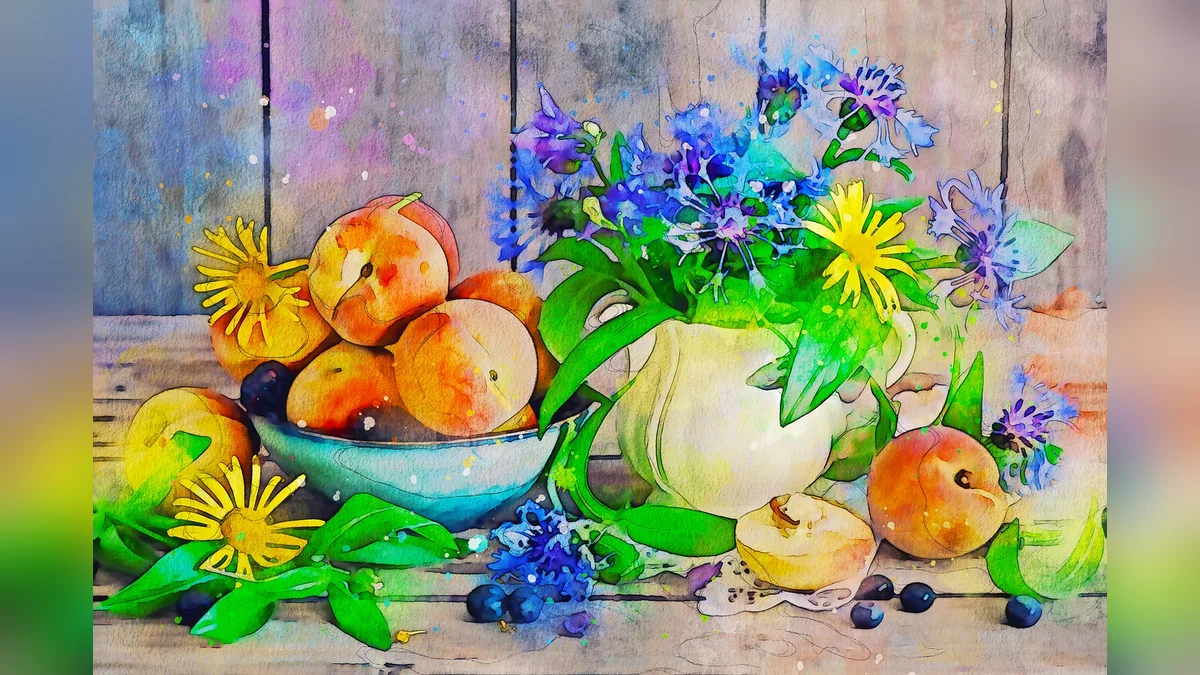
Many retirees turn to painting, pottery, quilting, and woodworking to express themselves and channel quiet focus into tangible works. These creative hobbies encourage fine motor skills and offer a deeply satisfying sense of personal achievement. Working with physical materials allows individuals to slow down, experiment with colors or textures, and share finished pieces with family members or local art guilds. According to insights shared on Road Scholar, engaging in creative pastimes supports ongoing cognitive health and mental stimulation.
Lifelong Learning Courses
Intellectual curiosity frequently deepens during later life, leading older adults to audit university classes, join language circles, or enroll in community workshops. Exploring history, science, or digital photography provides structured mental challenges that spark lively conversations. Many participants appreciate the lack of testing pressure, which transforms education into a purely joyful pursuit of knowledge. Local libraries and historical societies often host these lectures, creating natural gathering spots for curious minds to assemble.

Outdoor Recreation and Nature
Daily movement in the open air becomes a cornerstone of wellness for countless retired individuals across the country. Activities range from gentle neighborhood bird-watching walks to extended morning hikes and community pickleball tournaments. Spending time outdoors boosts mood, encourages cardiovascular health, and offers rhythmic contact with changing seasons. Shared recreational clubs also provide a reliable framework for building new friendships with peers who value active lifestyles.
Volunteering and Mentorship
Directing time and talent toward local causes gives post-career life a profound sense of shared community contribution. Retirees frequently mentor younger workers, assist in school reading programs, or organize food pantry distributions. This form of engagement replaces the lost structure of a 9-to-5 job with meaningful interpersonal connections. Knowing that one's personal experience directly benefits neighbors creates a strong emotional anchor and deepens community ties.

Structuring Free Time with Purpose
Balancing leisure with intentional routines helps retirees avoid the isolation that can sometimes creep into unstructured days. Designing a weekly rhythm of physical movement, social interaction, and quiet reflection ensures that freedom feels invigorating rather than overwhelming.
| Activity Category | Typical Focus | Primary Benefit |
|---|---|---|
| Physical Fitness | Walking, Golf, or Yoga | Mobility and Vitality |
| Creative Arts | Painting, Writing, Crafts | Mental Flow and Joy |
| Social Gathering | Book Clubs, Coffee Groups | Belonging and Support |
| Civic Service | Volunteering, Mentoring | Purpose and Impact |
Core Steps to Build a Fulfilling Routine
- List three old hobbies you neglected during your peak working years.
- Visit a local community center to explore weekly group activity schedules.
- Schedule regular outdoor walks to establish a gentle daily physical habit.
- Reach out to a former colleague or neighbor for a casual coffee catch-up.
Frequently Asked Questions
Do retirees need expensive hobbies to stay happy?
Not at all, as many deeply rewarding pastimes require very little financial investment. Simple pleasures like library reading groups, public park bird-watching, home gardening, and neighborhood walking clubs deliver immense joy without straining fixed retirement budgets.
How do retirees maintain strong social connections?
Intentional scheduling plays a major role in keeping friendships active after leaving the workplace. Joining structured hobby groups, participating in faith communities, and volunteering regularly help older adults form vibrant local networks.
Is it normal to feel restless during early retirement?
Transitioning away from a full-time career often triggers a temporary adjustment period. Experimenting with new classes or volunteer tasks usually resolves restlessness by reintroducing a healthy sense of personal rhythm and accomplishment.
Conclusion
Fun in retirement stems from combining personal freedom with meaningful daily curiosity and connection. Exploring fresh creative outlets, staying physically active, and supporting local communities transform these years into a vibrant chapter. Consider picking one small activity to test out in your neighborhood this week.