Conserving disability means recognizing physical and cognitive variations as fundamental aspects of the human experience rather than errors to be eradicated. Instead of viewing bodily and mental limits strictly as tragedies or medical deficits that society must eliminate, this perspective values disabled lives and perspectives. Preserving these experiences fosters deeper resilience, alternative ways of problem-solving, and richer cultural diversity for everyone across the entire community.
Countering Eugenic Assumptions and Medical Norms
Challenging the Eradication Logic
Traditional social frameworks often rely on narrow standards of physical and mental capacity, frequently treating variation as a personal failure or a public burden. This perspective frequently stems from historical eugenic assumptions that a thriving world requires erasing difference. Recognizing that human bodies naturally change over time disrupts this damaging narrative. According to research published via PubMed, shifting away from elimination allows society to view physical and neurological divergence as an intrinsic part of the shared human condition rather than a condition that disqualifies individuals from meaningful recognition and belonging.
Recognizing Generative Knowledge
Living with chronic illness or impairment forces individuals to develop sophisticated adaptive strategies and acute self-awareness. These lived realities generate unique insights into architecture, technology, pacing, and human interaction that standard frameworks miss entirely. When communities respect these alternative methods rather than trying to fix or hide them, they gain valuable innovations. Adapting spaces for different sensory or mobility profiles ultimately improves accessibility, comfort, and usability for everyone. Valuing these contributions transforms perceived physical liabilities into profound collective resources that enrich daily problem-solving across society.
Preserving Lived Diversity
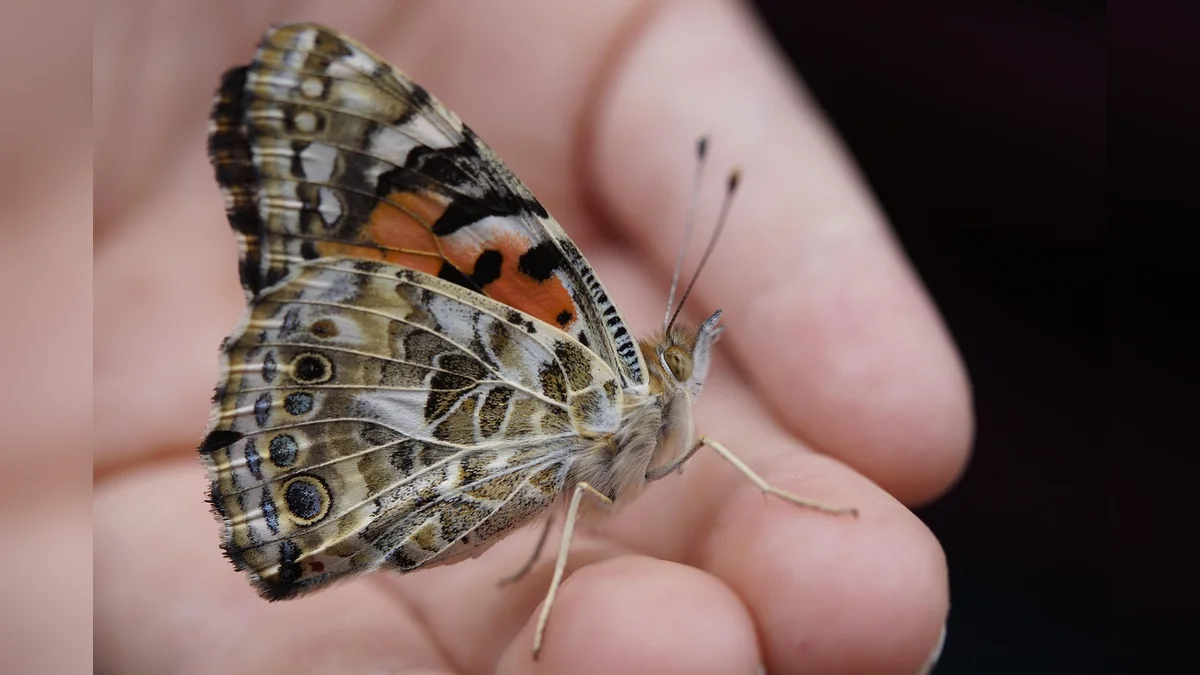
Just as biological ecosystems require biodiversity to withstand environmental pressures, human culture thrives when it embraces a wide spectrum of functional capacities. Eradicating specific conditions through aggressive medical or social interventions flattens the rich tapestry of human expression. Protecting disabled communities ensures that unique histories, creative expressions, and mutual aid networks survive. This preservation safeguards marginalized wisdom and prevents society from narrowing its empathy. Embracing a diverse population honors the reality that vulnerability and interdependence connect every single person regardless of current functional status or age.
Fostering Interdependent Communities
Standard cultural narratives often celebrate hyper-independence as the ultimate marker of personal success and moral worth. In contrast, disabled experiences frequently highlight the reality of human interdependence and mutual care. Acknowledging that everyone relies on tools, environments, or other people at various points in life dismantles shame around needing support. Building communities around shared care strengthens social bonds and encourages patience. This shift transforms daily life from a lonely race for absolute self-reliance into a cooperative web where collective well-being replaces rigid individual competition as the primary cultural goal.

Integrating Conservation into Daily Practice
Embracing the conservation of disability requires translating philosophical shifts into practical habits within everyday environments. Communities and individuals can actively redesign routines, communication styles, and physical spaces to respect natural human limits and foster genuine inclusion.
| Focus Area | Practical Action | Expected Impact |
|---|---|---|
| Pacing Energy | Plan rest intervals throughout daily schedules. | Prevents exhaustion and burnout. |
| Flexible Design | Offer multiple ways to attend or participate. | Increases genuine community access. |
| Active Listening | Respect alternative communication methods. | Deepens mutual understanding. |
| Shared Support | Build reciprocal networks of practical aid. | Strengthens social resilience. |
Steps to Support Inclusive Spaces
- Audit local physical and digital environments for hidden barriers to movement.
- Prioritize flexible scheduling that accommodates fluctuating energy levels and needs.
- Listen directly to disabled voices when planning community events or policies.
- Value slow problem-solving and interdependence over rushed, rigid performance metrics.
Frequently Asked Questions
What does conserving disability actually mean?
It means valuing disabled lives and recognizing human variation as natural rather than trying to erase difference.
Why is this perspective important today?
It shifts cultural focus from forced normalization toward dignity, accessibility, and genuine collective interdependence.

How does this apply to everyday life?
It encourages flexible routines, patient communication, and accessible environments that welcome diverse human capacities.
Conclusion
Valuing physical and mental divergence protects human dignity and expands our collective imagination. Shifting away from rigid expectations allows communities to honor every stage of life with grace. Review your local routine today to identify one space where you can champion flexible accessibility and shared mutual support.