retirement card ideas matter more than most people think: a 2024 survey by the Greeting Card Association found that greeting cards remain one of the most-gifted items for milestone life events, and retirement ranks near the top. Yet most people stare at a blank card and default to "Happy Retirement!" plus a signature.
The problem isn't a lack of goodwill — it's a lack of structure. A card that feels generic gets glanced at once and tucked in a drawer.
This guide fixes that. You'll get five practical approaches, from handwritten messages to group cards and digital options, plus a comparison table, tool suggestions, and answers to the questions people actually ask. Every idea here is something you can use today, whether you're writing for a close colleague or a manager you barely know.
Start With the Person, Not the Card
The best retirement messages begin with one specific detail about the retiree, not a generic sentiment. Before you shop or write, spend five minutes listing three things: what they did well, what they'll be remembered for, and what they're planning next. That list becomes the backbone of your message.
Retirement is a major life transition, and research on retirement adjustment consistently shows that social connection and sense of purpose shape how well people adapt. A card that names a person's actual contribution does more than a card that praises "years of service" in the abstract.
Consider a colleague who spent two decades in customer service. Instead of "enjoy your retirement," write: "You once talked a furious customer down in eleven minutes and then made him laugh. That's the whole job, and you did it for twenty years." Specificity signals that you noticed.
- Name one concrete skill they brought to the team.
- Reference one moment you witnessed personally.
- Mention one plan they've shared for after work.
For group cards, ask each contributor for a single memory rather than a generic line. You'll get variety, and the retiree gets a mosaic of real moments instead of twelve versions of "best wishes."
How to apply this: Draft your three-detail list now, before you buy anything. The message will write itself from there.
Before you browse retirement card ideas, jot down three specific strengths or habits that make this retiree memorable. The strongest messages start with one concrete detail, not a generic sentiment anyone could receive.
A simple cliché check can transform your retirement card ideas into something the reader will actually keep. Swap "you'll be missed" for one specific memory, and the message instantly becomes personal.
Match the Card Format to the Relationship
Card format should follow the closeness of your relationship, not the size of your budget. A coworker you've known for six months and a mentor of fifteen years need different treatment.

Getting this wrong is one of the most common retirement card ideas mistakes — an over-the-top gift card from a distant colleague can feel awkward, while a plain signed card from a close friend can feel cold.
Here's how the options compare:
| Format | Best for | Effort level | Action to take |
|---|---|---|---|
| Single handwritten card | Close colleagues, mentors | Medium | Write a specific memory, not a slogan |
| Group signature card | Teams, departments | Low per person | Collect one memory per signer |
| Photo collage card | Long-tenured coworkers | High | Gather 6-10 candid photos first |
| Digital e-card | Remote teams, global offices | Low | Confirm the retiree checks email |
| Card plus small gift | Close friends, direct reports | Medium | Keep the gift under your workplace's gift policy limit |
Many workplaces have written gift policies, and human resources departments often publish them internally. Check yours before organizing a collection — a card that creates a compliance headache for the recipient isn't a kindness.
In one case, a remote team spread across three time zones used a shared digital card so everyone could contribute without mailing anything. The retiree printed it out and kept it, which suggests format matters less than the content inside.
- Close relationship: handwritten card plus a personal gift.
- Working relationship: group card with individual messages.
- Distant or large organization: digital card with a team photo.
How to apply this: Identify which row of the table fits your situation, then commit to that format before you start collecting signatures.
Write Messages That Avoid the Usual Clichés
Cliché-free writing is the single biggest upgrade you can make to any retirement card. "Happy retirement, you'll be missed" is technically a message, but it tells the reader nothing. The fix is a simple three-part structure: a specific memory, a genuine observation, and a forward-looking wish.
Google's own search quality guidance emphasizes that helpful content demonstrates first-hand experience — and the same principle applies to a card. First-hand detail is what makes writing feel real rather than templated.
Try this template:
- Open with a memory. "The time you rewrote the entire onboarding manual over a weekend."
- Add what it meant. "New hires still use it, and they don't even know your name."
- Close with a wish tied to their plans. "Enjoy every morning on that boat."
For a manager or someone you didn't work with closely, keep it shorter but still specific. "Thank you for approving my training request three years ago — it changed my career" beats any generic tribute.
A useful sanity check: read your draft aloud. If it could be given to literally anyone in the company, rewrite it.
- Avoid: "best wishes," "you'll be missed," "enjoy your freedom."
- Use instead: a named project, a dated moment, a personal detail.
How to apply this: Take your draft message and underline every sentence that could apply to a different person. Replace each one with something only true of this retiree.
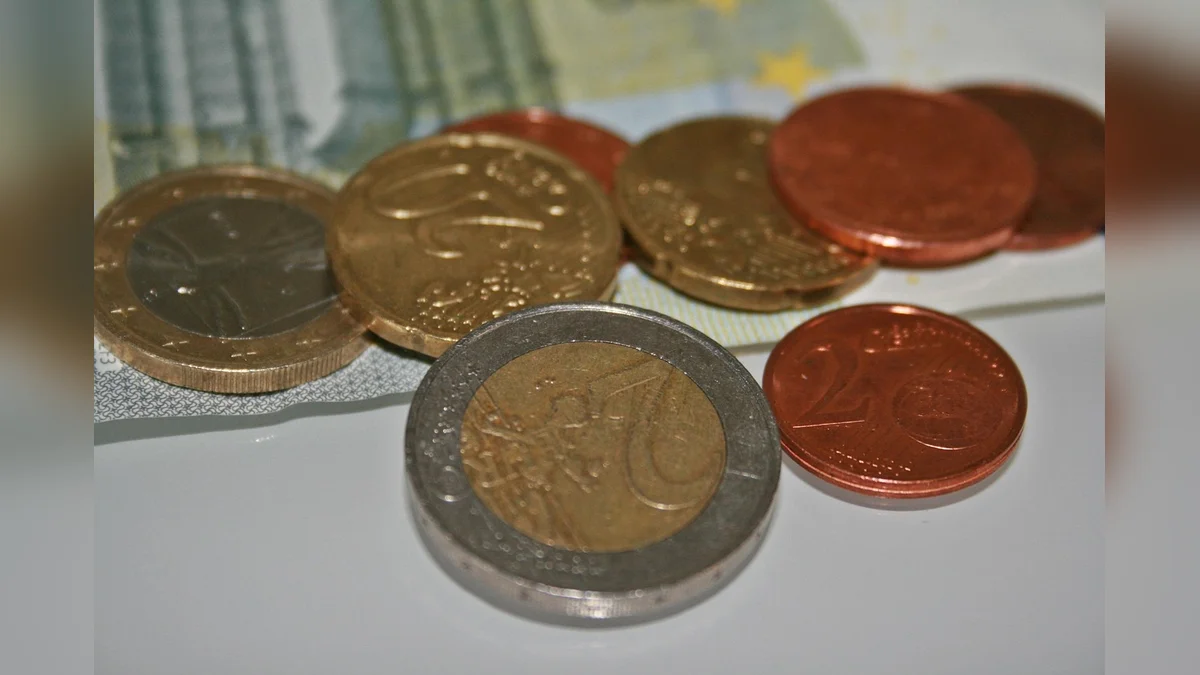
Before committing to any retirement card ideas, check your employee handbook, since many organizations publish gift limits there. A modest per-person contribution is a common approach that keeps things fair and comfortable.
For remote or international teams, digital retirement card ideas often work better than paper ones. Contributors can add messages across time zones, and the retiree gets a keepsake to save or print.
Use Tools to Plan, Organize, and Personalize Cards
A few real tools make organizing retirement card ideas easier, especially for group cards and large teams. You don't need anything complicated — a shared document and a design tool cover most situations.
- Google Docs works well for collecting group messages: create a shared document with one row per contributor, set a deadline, and paste the messages into the card in order.
- Canva offers card templates in standard print sizes, useful when you want a designed group card or a photo collage without hiring a designer.
- Google Forms is handy for gathering memories anonymously, which often produces more honest and funnier contributions than an open thread.
For tracking a large collection — say, a department of forty people — a simple spreadsheet with columns for name, message received, and card signed keeps the project from stalling. Industry surveys consistently show that group card projects fail from poor coordination rather than lack of interest, so a tracking sheet is worth the five minutes.
One practical note: if you're printing at home, check your card stock and printer margins before the day of the event. A rushed print job on flimsy paper undercuts an otherwise thoughtful retirement card.
How to apply this: Open a shared document right now, paste in your three-detail list from the first section, and invite contributors with a clear deadline.
Handle Awkward Situations With Confidence
Not every retirement is joyful, and good retirement card ideas account for the difficult cases. Someone retiring due to illness, a forced departure, or a role elimination needs a different tone than a happy send-off. The rule is simple: match the card to the person's actual feelings, not the team's assumed ones.
If you're unsure, ask a close colleague or the person's manager what tone is appropriate. A card that reads "congratulations on your freedom!" to someone leaving under pressure can land badly.
- Health-related retirement: focus on the person, not the milestone. "Thinking of you — we're grateful for everything you gave this team."
- Forced or early departure: keep it warm and brief. Acknowledge the contribution without commenting on the circumstances.
- Retirement after conflict: a short, sincere note is enough. You don't need to resolve history in a card.
The Society for Human Resource Management has published guidance noting that retirement transitions involve significant emotional and financial adjustment, and that workplace recognition plays a meaningful role in how employees experience that change. A thoughtful card is a small but real part of that recognition.
If you're organizing a card for someone in a sensitive situation, keep the group message optional. Forcing contributions can create discomfort for everyone involved.
How to apply this: Before circulating a group card, ask one trusted person whether a celebratory tone is appropriate — and adjust the wording if it isn't.

Frequently Asked Questions About retirement card ideas
What should you write in a retirement card for someone you barely know?
Keep it short, warm, and specific to what you've observed. One sentence about their reputation or a project they led is enough. Avoid pretending to a closeness you don't have. Even brief retirement card ideas work well when they're honest — "Thank you for always answering my questions in the hallway" is more meaningful than an inflated tribute.
How much money should a group collect for a retirement gift?
There's no universal figure, and workplace gift policies vary widely. Many organizations publish limits in their employee handbook, so check there first. A common approach is a modest per-person contribution with a clear cap, plus a card that carries most of the sentiment. The card, not the gift value, is what people usually keep.
Time your retirement card ideas for the last working day, ideally at a gathering where colleagues can add spoken wishes. If the retiree prefers a quiet exit, hand-deliver or mail the card in the final week.
Check your employee handbook for gift limits before you start gathering retirement card ideas and contributions.
Can you send a digital retirement card instead of a paper one?
Yes, and it's often the better choice for remote or international teams. Digital cards let contributors add messages across time zones and give the retiree a keepsake they can save or print. Just confirm the recipient checks email regularly and isn't retiring the same week their account gets deactivated — a real risk in some organizations.
For remote teams, retirement card ideas work well as digital cards that collect messages across time zones. Share a link so everyone can add retirement card ideas and personal notes before the last day.
Time your retirement card ideas to land on or just before the person's final working day. If they prefer a quiet exit, deliver your retirement card ideas by hand or mail that week.
What's the right timing to give a retirement card?
Give it on or just before the person's last working day, ideally at a gathering where colleagues can add spoken wishes. If the retiree is leaving quietly, a card delivered by hand or mail in the final week works well. Avoid giving it weeks early, which can feel like the team has already moved on.
Are funny retirement card ideas appropriate?
Humor works when it's affectionate and inside the relationship, not at the person's expense. A joke about their legendary coffee consumption is fine; a joke about being replaced or forgotten is not. If you're unsure how the retiree handles teasing, default to warm rather than funny — retirement card ideas that land well are almost always kind first.
Conclusion
A memorable retirement card comes down to a few repeatable habits:
- Start with specifics — three concrete details about the person beat any generic sentiment.
- Match the format to the relationship — a group card for a team, a handwritten note for a mentor.
- Use a simple structure — memory, meaning, wish — to avoid clichés.
- Adapt the tone to the circumstances, especially for difficult departures.
The tools are secondary; the thought is what gets remembered. Your next step: write down three specific things about the person retiring, then draft one sentence for each. That draft is 80% of a great card — the rest is just signing your name. Good retirement card ideas start with attention, and attention is free.





