To retire in ireland is a dream for many, but few realize the country has one of Europe's youngest populations — roughly one in seven residents is over 65, well below the EU average. That gap cuts both ways: you'll find vibrant towns and generous tax reliefs, yet also a housing shortage and a healthcare system under pressure.
The real challenge isn't deciding whether to retire in ireland. It's understanding residency rules, the cost of living, and the tax traps that catch newcomers off guard. This guide walks you through the practical mechanics — visas, budgets, healthcare, and tax — so your decision to retire in ireland is planned rather than hoped for.
Start With Residency and Visa Reality
If you want to retire in ireland, know that it is not part of the Schengen Area, so a standard European travel visa won't carry you into long-term retirement. Non-EEA nationals need a specific immigration permission before they can settle.
The main route for retirees is the Stamp 0 permission, which requires proof of self-sufficiency. In practice, that means demonstrating stable income and private medical insurance. Applications are assessed case by case by the Immigration Service Delivery.
Here's what typically strengthens an application:
- Evidence of independent means, such as pensions or investment income
- Private health insurance covering Ireland
- A clear statement that you will not access State benefits
- Adequate savings for setup costs and emergencies
EU/EEA citizens face far fewer hurdles and can generally reside freely, though they still need to register after three months. UK citizens retain broad rights under the Common Travel Area.
If you're planning to retire in ireland as a non-EEA national, budget time for paperwork. Processing can take months, and incomplete documentation is the most common reason for delay.
How to apply this: Book a consultation with a regulated immigration solicitor before you sell anything abroad — residency refusal after a property sale is an expensive mistake.
Understand the True Cost of Living
Anyone hoping to retire in ireland should know that it is expensive, and rural life is cheaper than city life by a wide margin. Housing is the single biggest variable, and it dwarfs every other budget line.
According to the Central Statistics Office (CSO), Dublin rents and purchase prices consistently run far above the national average, while the Border and Midlands regions remain the most affordable. A couple relocating from a lower-cost country should plan for a substantial adjustment.
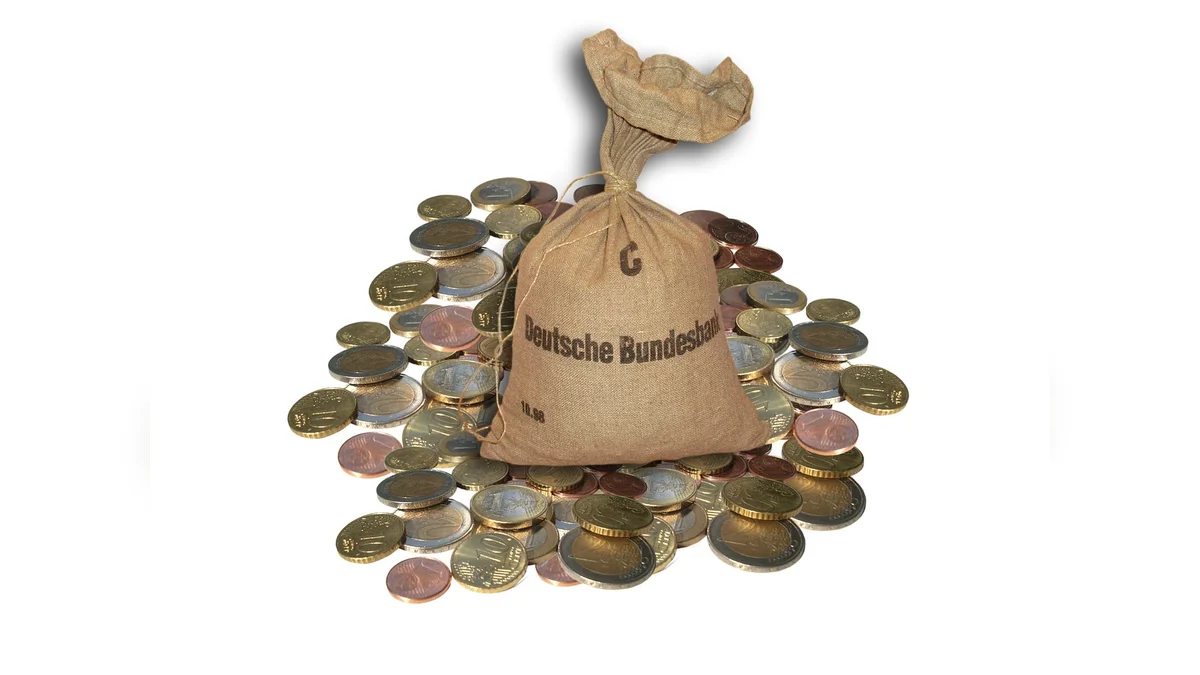
A realistic monthly budget for a retired couple might include:
| Cost area | Rough monthly range | Action to take |
|---|---|---|
| Rent (outside Dublin) | €1,200–€1,800 | Check daft.ie listings in your target town |
| Groceries | €400–€600 | Compare Aldi and Lidl pricing locally |
| Utilities and heating | €150–€300 | Ask about BER energy ratings |
| Private health insurance | €150–€400 | Get quotes before applying for Stamp 0 |
| Transport | €100–€250 | Check Leap Card and rural bus routes |
One recurring surprise is home heating. Irish winters are damp rather than freezing, but older homes with poor BER ratings cost far more to heat than newcomers expect. Where you choose to retire in ireland matters as much as how much you spend.
How to apply this: Spend two weeks in your target town in January, not July, and track actual spending before committing to a lease.
Navigate Tax and Pensions Carefully
Ireland's tax treatment of retirees depends heavily on where your income originates. This is where many people planning to retire in ireland make costly assumptions.
The good news is that Ireland has an extensive double-taxation treaty network, which prevents most income from being taxed twice. The bad news is that the rules are nuanced and depend on your residency status and the type of income.
Key points to understand:
- Ireland taxes residents on worldwide income, with reliefs available for foreign income under treaty rules
- The State Pension (Contributory) requires sufficient PRSI contributions — most foreign retirees won't qualify, but EU citizens can often combine contributions under EU rules
- The State Pension (Non-Contributory) is means-tested and available to those who don't qualify otherwise
- Pension income from abroad is generally taxable in Ireland once you're resident
Revenue, Ireland's tax authority, explains that residency is determined by days present — 183 days in a tax year, or 280 across two years. That threshold matters enormously for part-year movers, and it shapes when you can formally retire in ireland for tax purposes.
How to apply this: Request a written tax opinion from an Irish tax adviser that specifically addresses your pension sources — verbal reassurances from friends who moved earlier are not reliable.
Access Healthcare Without Costly Surprises
Ireland's healthcare system is a mix of public and private, and understanding the split is essential if you plan to retire in ireland. Public hospital care is available to residents, but waiting lists for some procedures are long.
Private health insurance is effectively mandatory for Stamp 0 applicants and strongly advisable for everyone else. The market is community-rated, meaning insurers can't charge you more because of age or health — a genuine advantage over some other countries.

Useful resources include the Health Service Executive (HSE) for public services and the Health Insurance Authority for comparing plans. The HSE's website publishes eligibility rules and medical card criteria.
For routine care, many retirees find that a combination of private insurance and a local GP works well. GP visits typically carry a fee unless you hold a medical card or GP visit card. Securing coverage early is one of the smartest moves you can make before you retire in ireland.
How to apply this: Compare at least three insurers through the Health Insurance Authority's official comparison tool before you finalize your visa application.
Plan Your Housing Before You Arrive
Housing is the hardest part of any move to retire in ireland, and the rental market in cities is genuinely tight. Arriving without a confirmed address makes everything else harder.
Long-term rentals are scarce in Dublin and other urban centres. Rural areas offer more availability and lower prices, but you'll need a car and should verify broadband and mobile coverage.
Practical steps that work:
- Secure short-term accommodation for two to three months while you search
- Register with local letting agents in person — online applications are often ignored
- Prepare references and proof of funds in advance
- Consider towns with active retirement groups and good transport links
A common scenario is a couple who books an Airbnb for a month, underestimates the competition for rentals, and ends up in temporary accommodation for far longer than planned. Build a buffer into both your timeline and your budget.
How to apply this: Contact two or three local letting agents in your target town before you travel and ask what documentation they require from overseas applicants.
Frequently Asked Questions About retire in ireland
Can I retire in ireland if I have a pre-existing medical condition?
Yes, but it affects your options. Private insurers must accept you under community rating rules, though pre-existing conditions may carry a waiting period of up to five years for coverage of that specific condition. Stamp 0 applicants must still show they have insurance in place.
Declare all conditions honestly — non-disclosure can void a policy entirely, leaving you exposed to full private hospital costs.

Yes, you can retire in ireland with a pre-existing condition, though private insurers may apply a waiting period of up to five years.
How long does it take to qualify for an Irish state pension?
It depends on your contribution history. The contributory pension generally requires a minimum number of PRSI contributions, and most foreign retirees arrive too late to build them up. EU citizens can often aggregate contributions from other member states. If you're close to retirement age and considering retire in ireland, check your record with the Department of Social Protection before moving.
Is it better to rent or buy when retiring in Ireland?
Buying gives stability but comes with high transaction costs and strict mortgage rules that often exclude retirees. Renting offers flexibility but is competitive in cities. Many retirees rent first for a year, learn the area, then buy in a smaller town.
If you plan to retire in ireland outright, factor in stamp duty, legal fees, and survey costs — these add several percent to the price.
What happens to my foreign pension when I move?
Most foreign pensions continue to be paid into your account, but the tax treatment changes once you become resident. Ireland taxes worldwide income, with treaty reliefs preventing double taxation in most cases. Currency fluctuations also matter — a sterling or dollar pension buys fewer euros when exchange rates move against you.
Set up a regular transfer plan rather than ad-hoc conversions.
Do I need to learn Irish to settle in?
No. English is the everyday language, and daily life runs entirely in English. Irish is spoken in Gaeltacht areas but is not required for residency, healthcare, or services. Learning a few local phrases helps socially, and joining community groups is a faster route to belonging than language study.
Most who retire in ireland find social integration the easier part of the move.
Final Takeaways
To retire in ireland successfully rewards preparation more than enthusiasm. The essentials:
- Residency permission comes first — secure it before selling property abroad
- Housing is the biggest budget risk, so rent before you buy
- Tax and pension rules need professional, written advice
- Private health insurance is non-negotiable for most applicants
Your next step is concrete: shortlist two or three towns, check rental availability and GP waiting lists, and request quotes through the Health Insurance Authority and Citizens Information. Those two official sources will answer most of your remaining questions about how to retire in ireland with confidence.





