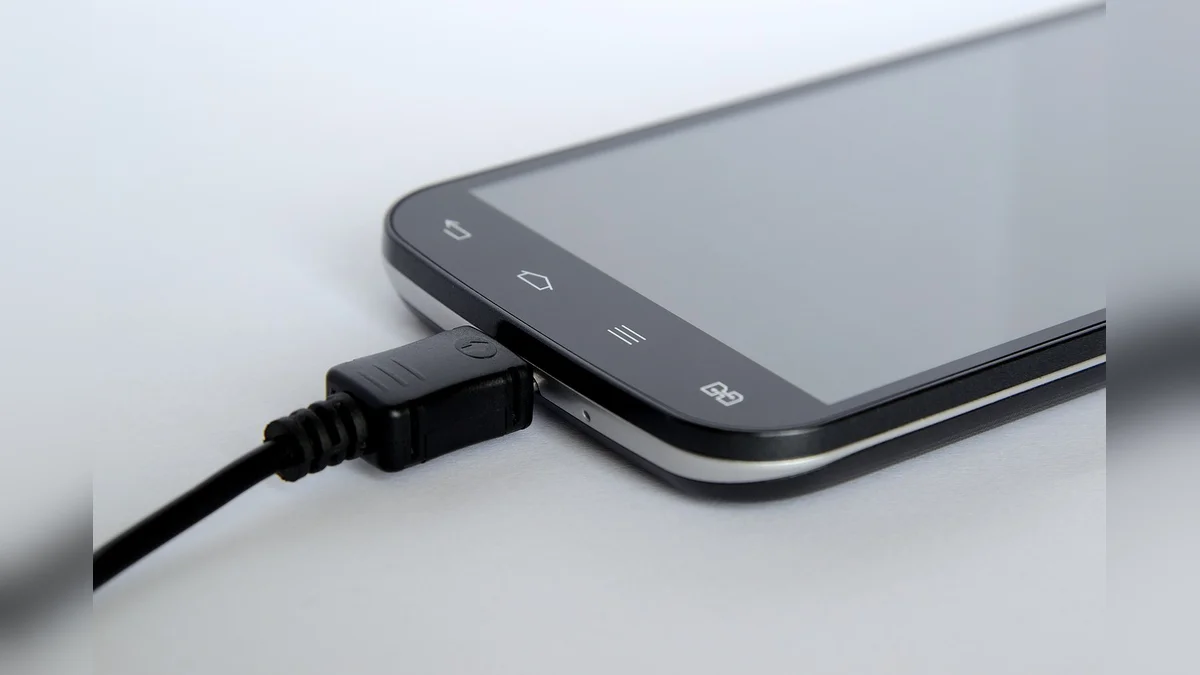
Modern digital software and everyday tools can make daily routines simpler, safer, and far more connected without requiring extensive technical expertise or complicated setups. Many practical programs focus on reducing friction in daily communication, health tracking, medication management, and personal organization. Selecting the right options depends on individual comfort levels and specific everyday priorities rather than trying to master every complex application available.
Essential Capabilities and Software Solutions
Communication and Keeping in Touch
Staying connected with family members and lifelong friends often relies on streamlined messaging platforms and high-definition video calling applications designed with uncluttered menus. Clear visual layouts, large text options, and straightforward voice-calling buttons help bridge physical distances smoothly. According to insights shared via AARP Community Discussions, built-in voice assistants and clean interface designs minimize frustration during virtual visits. Users benefit when video applications offer reliable sound amplification and instant connection prompts that remove traditional dialing steps or complicated password requirements.
Medication Tracking and Health Management
Keeping track of daily prescriptions and routine wellness metrics is much easier with dedicated medication reminder apps and synchronized health logs. These utilities provide timely visual or audible alerts so doses are never missed or accidentally repeated. As highlighted by Senior Planet from AARP, structured tracking tools like Medisafe allow individuals to monitor schedules and share critical updates with trusted family members or caregivers. Having an organized digital log also simplifies preparation for upcoming doctor visits by presenting clear medication histories.

Daily Organization and Memory Aids
Simple task lists, digital calendars, and voice-controlled note-taking utilities help manage household chores, appointments, and personal errands without clutter. Rather than relying on paper slips that can easily get misplaced, users can dictate reminders or check off completed tasks on a high-contrast screen. These digital organizers often sync seamlessly across multiple household displays or tablets, ensuring important events like birthdays or service appointments are never overlooked during a busy week.
Safety and Emergency Preparedness Tools
Personal safety features built into modern smartphones or wearable accessories offer reassuring peace of mind at home and during outdoor walks. Automated fall detection, location-sharing networks, and one-touch emergency calling connect users directly to designated helpers or local responders if an unexpected incident occurs. Such protective layers operate quietly in the background, giving individuals the confidence to maintain an independent lifestyle while keeping loved ones informed of their general well-being.

Evaluating Your Personal Technology Setup
Choosing the right combination of digital tools starts with identifying which specific daily tasks cause the most friction or take unnecessary effort. Small, gradual steps—such as installing a single reliable communication app or setting up a digital medication alarm—allow you to evaluate comfort and usefulness before expanding to other programs.
| Application Category | Primary Daily Benefit | Key Feature to Look For |
|---|---|---|
| Communication Apps | Face-to-face family visits | One-tap calling and large text |
| Medication Tools | Accurate prescription timing | Audio reminders and caregiver alerts |
| Calendar Software | Appointment and event tracking | Voice entry and bold high-contrast fonts |
| Safety Utilities | Emergency and location awareness | Fall detection and quick SOS triggers |
Quick Checklist for Choosing and Using Software
- Confirm that font sizes and display contrast can be adjusted directly inside the app settings.
- Test notification sound levels in quiet and busy rooms to ensure alerts remain clearly audible.
- Review privacy and sharing permissions to control who sees your location or health data.
- Start with just one single new application before introducing additional tools to your routine.
Frequently Asked Questions
Do I need an expensive new device to use these apps?
Most modern communication and organizing applications run smoothly on standard smartphones, tablets, or computers you may already own. Upgrading hardware is rarely necessary unless your current equipment no longer supports basic software updates or security patches.
Can family members help manage these tools remotely?
Many health tracking and calendar programs offer optional caregiver sync features. This allows a trusted family member to receive missed-dose alerts or help update appointments from a separate device without invading daily privacy.

What should I do if an application feels too confusing?
You can adjust accessibility settings like text scaling and button size, or ask a local community center tech mentor for a quick guided walkthrough to simplify the layout.
Conclusion
Adopting supportive digital tools does not require a complete lifestyle overhaul or technical expertise. Selecting one practical application that addresses a specific daily routine can immediately enhance comfort and connection. Take a moment today to review your current device settings and test a single helpful feature.