The ibew retirement plan is one of the most robust union-sponsored retirement packages available, yet many members only scratch the surface of what it offers. With the International Brotherhood of Electrical Workers representing approximately 775,000 active members, the plan’s combined funds manage assets that secure retirements for hundreds of thousands of electricians across the U.S. and Canada.
However, the complexity of multi-employer pensions, local supplements, and annuity options often leaves members confused about maximizing their pension income. In this guide, we reveal five straightforward secrets about the plan that can help you boost your nest egg and avoid costly mistakes.
Secret 1: The IBEW Retirement Plan Uses a Two‑Tiered System
Most electrical workers don’t realize the ibew retirement plan is actually two plans working together: the national National Electrical Benefit Fund (NEBF) and your local union’s pension fund. The NEBF is a defined‑benefit pension covering all participating IBEW members, while your local’s plan adds an extra layer based on your local’s collective bargaining agreement.
The NEBF portion provides a fixed monthly benefit at retirement, calculated from years of service and covered hours. Many locals then supplement that with additional pension credits, often calculated as a dollar amount per hour worked.
This design means your ibew retirement plan benefits are diversified—part from a national trust and part from your local’s trust—giving you greater stability even if one fund faces market challenges.
- Key data point: The NEBF alone covers more than 350,000 participants, according to its official documents, making it one of the largest multi‑employer pension funds in the U.S.
- How to apply this: Pull your latest NEBF statement and your local pension statement, then compare how much each is projected to pay at your normal retirement date. Knowing the split helps you plan for income gaps.
Secret 2: Vesting Rules You Can’t Afford to Ignore
Earning a pension you’ll actually collect depends on vesting—and the ibew retirement plan has specific requirements. The NEBF vests you after you earn at least 1,000 hours of covered employment in each of five calendar years. That’s five separate “qualifying years,” not necessarily consecutive.
If you drop below 1,000 hours in a year, that year simply doesn’t count toward the five; you don’t lose past vesting years unless you have a complete break in service.

According to the National Electrical Benefit Fund’s Summary Plan Description, “You are vested in your NEBF pension after you earn at least 1,000 hours of service in covered employment during each of five calendar years.” Even if you leave the trade before retirement, once vested, you’ll eventually receive a benefit.
- Common pitfall: Many electricians don’t track their hours precisely. A year with 990 hours won’t count, potentially delaying your vesting date.
- How to apply this: Log into the NEBF’s member portal at NEBF each January and confirm your reported hours match your pay stubs. Correct discrepancies immediately.
Secret 3: How Early Retirement Affects Your Benefits
You can often start receiving your ibew retirement plan benefits as early as age 55, but doing so permanently reduces your monthly check. The NEBF applies an actuarial reduction for each month you retire before your normal retirement age (typically 65).
A similar reduction may apply to your local pension, though some locals offer a “30‑and‑out” exception that lets you retire with full benefits after 30 years of service regardless of age.
If you plan to leave the trade at 58, for example, your NEBF benefit could be cut by roughly 30–40% compared to waiting until 65. Those cuts are often locked in for life—meaning you’ll receive the smaller amount even after reaching 65 later.
- How to apply this: Use the NEBF’s online pension estimator (available through NEBF) to compare the exact benefit you’d receive at 58, 62, and 65. Then run the same numbers for your local fund before making any decision.
Secret 4: The Role of the Annuity Plan and Self‑Directed Investing
Beyond the defined‑benefit pensions, many IBEW locals also offer a defined‑contribution annuity plan—think of it as a 401(k) funded entirely by employer contributions. For every hour you work, your contractor adds a set dollar amount to your individual annuity account.
The contribution rate varies by local agreement, but it’s not uncommon for employers to contribute several dollars per hour right into your account.

What sets the ibew retirement plan apart is that you control how that annuity money is invested. Providers like Fidelity or Prudential give you a menu of mutual funds, allowing you to build an investment mix tailored to your risk tolerance.
This self‑directed component can significantly boost your total retirement income if managed well, but leaving it in a default low‑return fund is a common mistake.
- How to apply this: Log into your annuity provider’s portal and review your allocation. A tool like Fidelity’s Retirement Calculator can help you project how different contribution rates and returns affect your final balance.
Secret 5: Maximizing Social Security with Your IBEW Plan
Because most IBEW members work for employers that pay into Social Security, your ibew retirement plan benefits stack on top of your Social Security check—they don’t replace it. Many union electricians mistakenly believe they won’t qualify for substantial Social Security, but in reality, years of covered earnings can translate to a meaningful monthly payment.
Coordinating the two income streams effectively can push your total retirement income into a comfortable range. You might, for instance, claim reduced ibew retirement plan benefits at 62 while delaying Social Security until 70 to earn delayed retirement credits. Or do the reverse—take Social Security early and let your pension grow by waiting until 65.
- How to apply this: Use the official Social Security Retirement Estimator to see your projected benefit at different ages. Then layer that on top of your NEBF and local pension estimates to find your optimal combo.
Comparing Your IBEW Retirement Plan Components
| Plan Component | Key Features | Action to Take |
|---|---|---|
| NEBF (Defined Benefit) | Vest after 5 qualifying years; monthly benefit at retirement age; actuarial reduction for early retirement. | Check vesting status and projected benefit through NEBF. |
| Local Pension (Defined Benefit) | Varies by local; often based on hours and contribution rate; may include early‑out provisions. | Request a benefit statement from your local’s fund office annually. |
| Annuity Plan (Defined Contribution) | Employer contributes per hour; you control investments; balance available at retirement as lump sum or periodic payments. | Review asset allocation and use a retirement calculator to set a target. |
Frequently Asked Questions About ibew retirement plan
When can I take money out of my IBEW annuity without penalty?
Typically, you can access annuity funds penalty‑free after age 59½, though your plan’s terms may allow withdrawals at retirement or separation from service earlier. Tapping the account before 55 generally triggers a 10% early withdrawal penalty on top of income taxes, so check your plan’s specific hardship provisions.
The ibew retirement plan allows penalty-free withdrawals after age 59½ or under certain early retirement provisions.
Can I borrow against my ibew retirement plan?
Pension plans (NEBF and local defined‑benefit plans) generally do not permit loans. However, some annuity plans allow participants to take a loan from their own account, much like a 401(k) loan. Loan availability and terms vary widely—confirm with your annuity provider before counting on this feature.
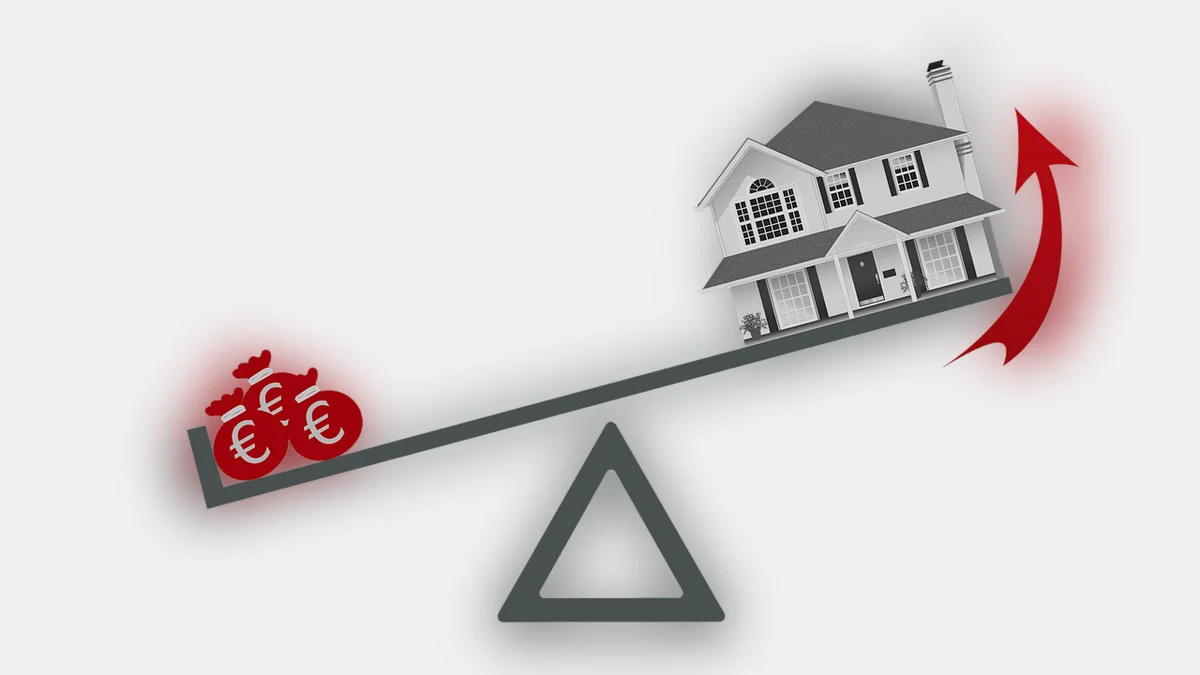
While pension funds in the ibew retirement plan forbid loans, some annuity accounts may permit borrowing.
What happens if my employer stops contributing to the ibew retirement plan?
If an employer goes out of business or stops contributing, your vested pension benefits are protected under ERISA, and the Pension Benefit Guaranty Corporation (PBGC) may insure a portion of your NEBF and local benefits. Annuity funds are individually owned and aren’t affected. Always verify your hours are being reported correctly even after a contractor shuts down.
Your vested benefits from the ibew retirement plan stay secure through ERISA and PBGC insurance if contributions cease.
Is my ibew retirement plan benefit reduced if I have other income?
No, your NEBF and local pension benefits are not reduced by outside earnings once you begin receiving them. However, working in prohibited employment (non‑union electrical work) after retirement may cause a suspension of benefits under some plan rules—check your plan’s re‑employment restrictions.
How do I update my beneficiary for my ibew retirement plan?
Beneficiary designations for each component (NEBF, local pension, annuity) are handled separately. Log into each plan’s member portal or call their office to name or update your beneficiary. A divorce, marriage, or birth of a child should trigger an immediate review of all designations.
Conclusion
- Two tiers, one goal: Your ibew retirement plan blends a national NEBF pension with local and annuity benefits—understanding each piece is crucial.
- Vesting matters: Track those 1,000‑hour years religiously; a single missed year can delay your future income.
- Timing is everything: Early retirement permanently reduces benefits, so compare ages carefully using official estimators.
- Double up: Properly coordinating your ibew retirement plan with Social Security can add hundreds of thousands of dollars to your lifetime payout.
Take action today: log into your NEBF account, request your local pension estimate, and review your annuity allocation. A few minutes now can translate to a far more secure retirement down the road.





