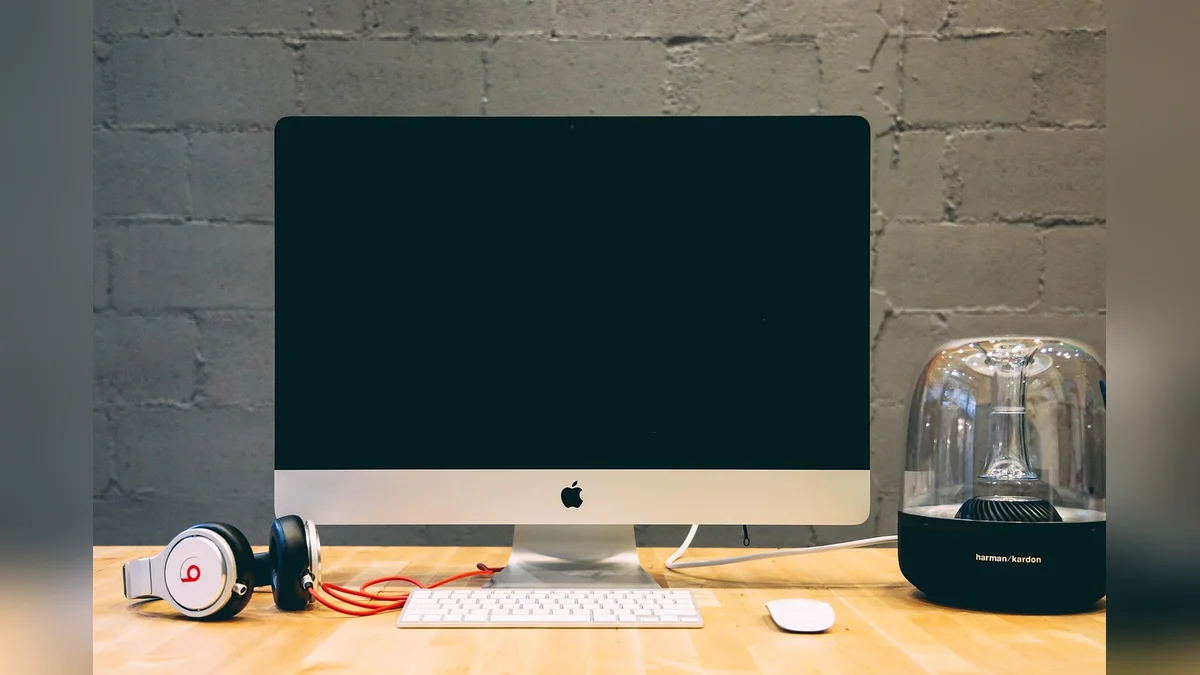
Disabling automatic updates for a specific application puts you back in charge of when software changes occur on your desktop computer. While operating systems and software stores generally try to push background upgrades by default, you can adjust individual settings inside your preferred application menus or your device's core preferences to keep each program right where you want it.
Understanding Application Update Behaviors
Why Software Developers Push Automatic Background Refreshing
Modern software developers rely on background updates to patch security vulnerabilities and deliver bug fixes quietly behind the scenes. When a critical flaw is discovered in a widely used program, publishing an automatic patch ensures that millions of machines receive protection immediately without waiting for individual users to notice. This process minimizes the risk of cyber threats exploiting outdated code. However, constant background downloads can sometimes consume valuable internet bandwidth or alter familiar button placements that you rely upon during your daily computer routine.
The Difference Between System Updates and App Updates
It helps to distinguish between massive operating system upgrades and updates tied to a single standalone application. System updates alter core computer functions, security protocols, and driver frameworks across your entire desktop environment. In contrast, individual application updates only modify the specific program you opened, such as a web browser, a word processor, or a photo viewer. Changing settings for a single software program does not interfere with your operating system's baseline security health, allowing you to maintain targeted control over individual tools without compromising total computer stability.

Where Software Stores Control Individual Program Settings
Many desktop applications are acquired through centralized digital marketplaces or software centers that manage background maintenance automatically. Inside these digital stores or program manager windows, global toggles often govern every installed tool simultaneously. Locating the specific menu items for an individual application requires navigating past master switches to find granular preference tabs. Reviewing official guidance via the Apple Support Guide or checking the Microsoft Support FAQ helps clarify how platform-level rules interact with separate application choices.
Weighing Convenience Against Personal Workflow Stability
Choosing to stop automatic updates for a single program involves balancing convenience against predictability in your daily computer use. On one hand, automated refreshes save you time by removing the need to manually click through installation prompts every week. On the other hand, unexpected software changes can occasionally disrupt custom templates, remove beloved features, or introduce unfamiliar menus. By turning off background refreshes for a critical tool, you gain the freedom to test new versions at your own pace while avoiding sudden interface surprises during important tasks.

Managing Your Software Preferences
Taking control of your desktop software requires looking through your application settings or your main system marketplace preferences to isolate individual update toggles. By reviewing each program's internal menu or the store panel where you first downloaded it, you can easily stop unwanted background changes while keeping your favorite tools running smoothly.
| Control Location | Primary Function | Reader Action Needed |
|---|---|---|
| App Store Settings | Toggles global or per-app background downloads | Uncheck automatic download boxes |
| In-App Preferences | Manages individual update check frequency | Disable check for updates option |
| System Services | Controls background update helper tasks | Adjust startup service parameters |
| Manual Check Menu | Allows intentional user-triggered installation | Click check for updates manually |
Steps to Lock Down Individual App Updates
- Open your computer application or digital store settings menu.
- Locate the general preferences or software update tab.
- Deselect the box marked automatic updates or background downloads.
- Save your new preferences before closing the application window.
Frequently Asked Questions
Will disabling updates stop my computer from working safely?
No, turning off updates for one application does not break your computer. Your core operating system will continue receiving vital security protections independently of that single program.
Can I still update the application manually later?
Yes, you retain full freedom to check for newer versions manually whenever you feel ready by visiting the help or update menu inside the program.

What should I do if the update toggle reappears?
Some software programs reset default preferences after a major patch. Simply open your settings menu again and turn off the automatic update checkbox once more.
Conclusion
Managing individual application updates gives you calm predictability and full authority over your desktop environment. Take a moment today to open your preferred program settings, locate the update checkbox, and switch it to manual mode so your software changes only when you decide.