Engaging in purposeful hobbies offers disabled veterans a vital pathway toward physical recovery, mental well-being, and renewed community connection. Whether exploring creative arts, adaptive outdoor recreation, or hands-on craftsmanship, finding the right pastime helps rebuild daily structure, lowers stress levels, and restores a deep sense of personal accomplishment after service.
Therapeutic Value and Purposeful Engagement
Creative Arts and Artistic Expression
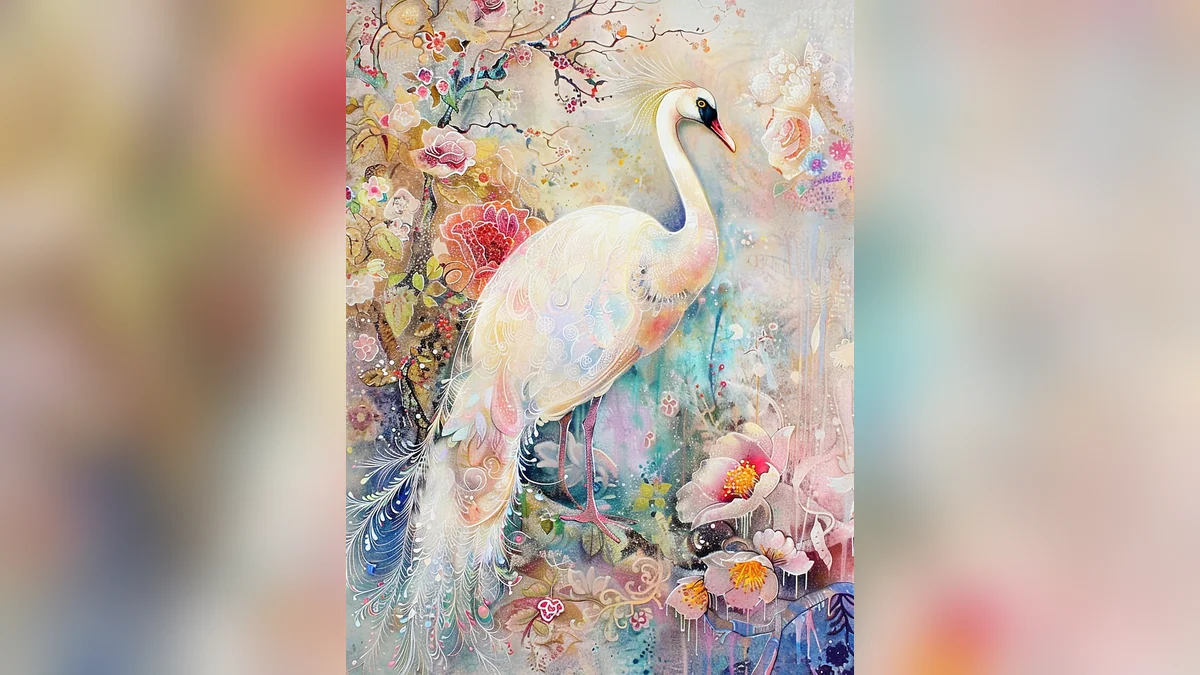
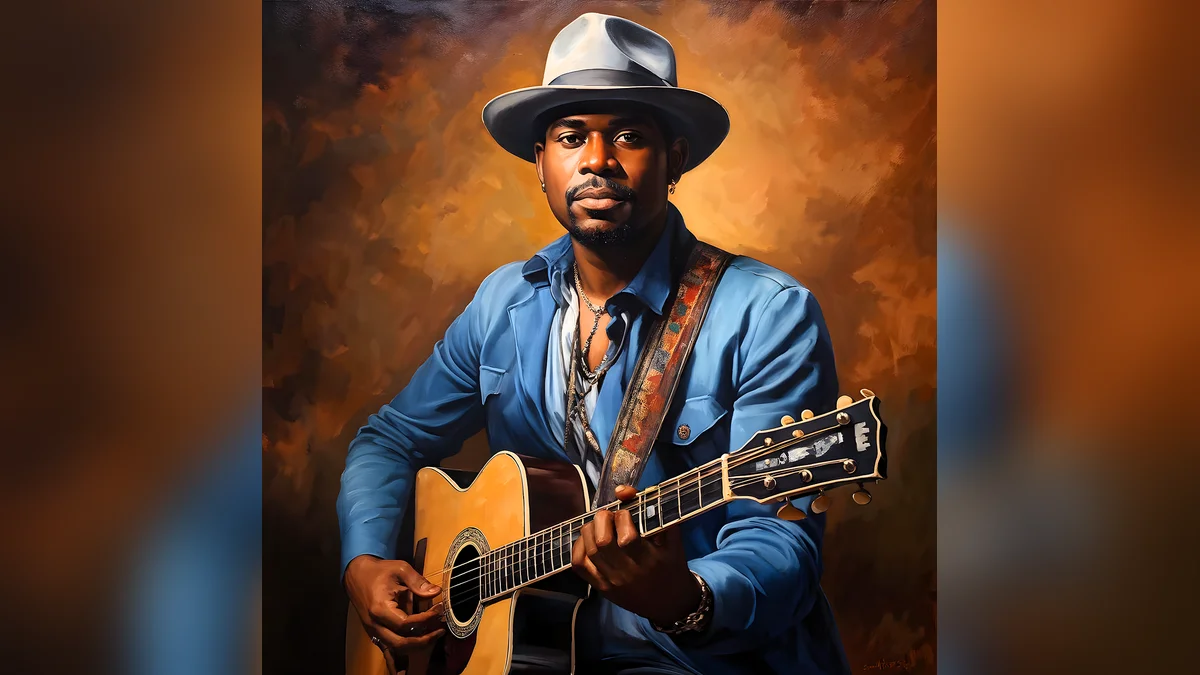
Participating in creative outlets like painting, pottery, writing, and digital photography allows individuals to process complex emotions and channel focus into tangible beauty. These activities require fine motor control and concentration, turning idle hours into productive self-expression without physical strain. Veterans often find that visual or literary storytelling bridges the gap between inner experiences and external understanding, fostering emotional resilience and steady relaxation.
Adaptive Outdoor Recreation
Engaging with nature through accessible hiking, adaptive fishing, or specialized cycling promotes physical endurance and mental clarity. Modern modifications, such as handcycles or stabilized watercraft, ensure that mobility challenges do not block access to natural landscapes. Spending time outdoors reduces blood pressure, eases symptoms of post-traumatic stress, and encourages active movement tailored to individual physical capacities and energy limits.

Hands-on Craftsmanship and Woodworking
Working with wood, leather, or metal brings a sense of structural mastery and physical achievement into daily routines. Setting up ergonomic workstations with customized tools enables safe participation for those with limited grip strength or balance. Completing small furniture projects or intricate models instills patience, enhances problem-solving skills, and delivers immediate visual gratification through completed handiwork.
Digital Strategy and Gaming Communities
Virtual environments, strategy board games, and competitive e-sports build structured social networks from the comfort of home. Specialized controllers and adaptive software allow participants with severe mobility or sensory limitations to collaborate globally. This digital camaraderie replaces isolation with teamwork, strategic thinking, and shared laughter, proving that meaningful competition and friendship transcend physical barriers.

Exploring Accessible Community Resources
Locating community centers, local VA medical facilities, and veteran service organizations opens doors to specialized equipment grants, group workshops, and peer-led hobby clubs. Many programs offer low-cost or open-source adaptations detailed by the U.S. Department of Veterans Affairs Research Communications initiative, making specialized tools far more reachable for everyday households.
| Hobby Category | Primary Physical Benefit | Key Mental or Social Outcome |
|---|---|---|
| Creative Arts | Improves hand dexterity | Encourages emotional release |
| Outdoor Recreation | Enhances cardiovascular health | Reduces chronic stress |
| Handcrafts | Builds upper body strength | Fosters tangible pride |
| Digital Strategy | Maintains cognitive reflexes | Prevents social isolation |
Actionable Steps for Starting a Hobby
- Evaluate your current physical comfort limits before choosing a brand new project.
- Connect with local veteran recreation coordinators to borrow specialized starter equipment.
- Start with short daily practice sessions to build confidence and sustainable rhythm.
- Join online or local hobby groups to share progress with supportive peers.
Frequently Asked Questions
Do I need expensive gear to start an adaptive hobby?
Many pastimes utilize low-cost household items or open-source plans that require minimal financial investment to begin safely.
Can hobbies help manage chronic pain or service injuries?
Engaging in absorbing tasks shifts neurological focus away from discomfort while encouraging gentle, therapeutic movement.
Where can I find local groups for disabled veterans?
Regional community centers, VA medical facilities, and national non-profit veteran networks host regular inclusive clubs.
Conclusion
Discovering a fulfilling hobby transforms daily routines and nurtures long-term personal growth. Take the first step today by reaching out to a local community center or exploring open-source adaptive gear plans to launch your next project.