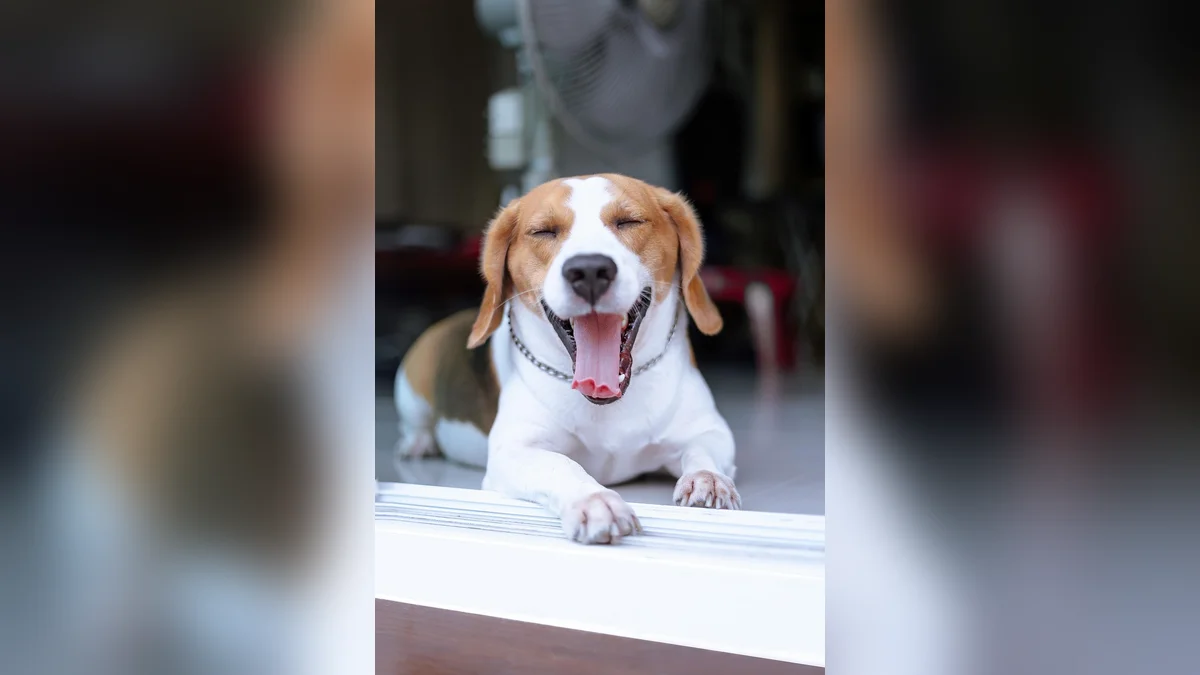
A retired cockapoo is an adult dog that has completed its breeding career or aged out of kennel programs and is placed into a loving pet home. Transitioning these dogs requires patience, understanding of their past environment, and a commitment to helping them adjust to typical household routines like leash walking and quiet companionship.
Understanding Retired Cockapoos
Background and Previous Life Experience
Most retired cockapoos spend their early years in structured breeding or kennel environments rather than traditional single-family living rooms. This background means they may have strong social bonds with other dogs and handlers, yet they might lack familiarity with common household objects. Vacuum cleaners, television noises, and multi-level staircases can initially surprise them. Recognizing this historical context helps owners approach the transition with empathy and structured grace. Building confidence takes steady positive reinforcement and a calm domestic atmosphere every single day.
Temperament and Adult Personality Traits
Adult cockapoos are generally celebrated for their affectionate and gentle disposition toward humans. Unlike high-energy puppies that require constant redirection, a retired adult usually possesses a more settled and predictable energy level. They tend to bond deeply with their primary caregivers and enjoy gentle lap time or short neighborhood strolls. Their intelligence allows them to pick up household rules quickly when guidance is consistent. Families often find that these mature dogs offer an ideal balance of companionship without the demanding chaos of youth.

Health Considerations and Veterinary Needs
Transitioning from a kennel setting to pet life makes a comprehensive veterinary evaluation an essential early step. Older or retired canines may require dental scaling, joint evaluations, or updates on routine vaccinations and parasite preventions. Responsible breeders or rescue organizations often share medical history files, which assist your veterinarian in charting ongoing care. Diet also plays a major role in keeping their weight optimal and supporting aging joints. Proactive medical attention ensures that your newly placed companion enjoys comfortable golden years in your home.
Housebreaking and Domestic Adjustment
House training an adult dog with a kennel background requires clear signals and frequent outdoor breaks. While some retired dogs adapt to indoor living almost immediately, others may need reminders regarding designated relief areas. Establishing a predictable daily schedule for meals, walks, and rest times accelerates this learning process. Crate training can provide a secure den-like space where the dog feels protected while adjusting. Patience during the first few weeks prevents anxiety and sets a solid foundation for lifelong habits.
Practical Guidance for Adoption and Placement
Securing a retired dog involves reviewing health records, evaluating temperament reports, and preparing your living space for a smooth transition. Responsible placement ensures the animal matches your household rhythm and energy.

Transitioning an older dog requires evaluating your daily availability, financial readiness for senior veterinary care, and home layout. Reputable providers prioritize the long-term well-being of the animal over rapid placement. Asking detailed questions about socialization and health history guarantees a transparent adoption experience.
| Trait Category | Young Cockapoo Puppy | Retired Adult Cockapoo |
|---|---|---|
| Energy Level | High energy requiring constant play | Calm and settled daily routine |
| House Training | Requires intensive initial monitoring | May need brief transition guidance |
| Time Investment | Heavy supervision and frequent training | Lower demand with steady companionship |
| Cost Structure | Initial vaccines and multiple visits | Focus on senior wellness and dental |
Essential Checklist for Welcoming Your Dog
- Schedule a comprehensive veterinary exam within the first week of arrival.
- Purchase a secure collar, ID tag, and comfortable indoor bedding.
- Establish a quiet retreat zone away from household traffic noise.
- Introduce neighborhood walking routes slowly to build positive confidence.
Frequently Asked Questions
Why do breeders retire cockapoos?
Breeders retire dogs when they reach a safe age to conclude their breeding tenure. Rehoming allows these mature dogs to receive individual attention, relaxed living conditions, and dedicated affection as beloved family pets.
Are retired cockapoos good with children?
Many retired cockapoos adjust wonderfully to families, provided children are taught respectful boundaries. Because older dogs appreciate calm spaces, supervised interactions help build mutual trust and harmonious household relationships over time.

How much do retired dogs usually cost?
Adoption fees for retired breeding dogs vary depending on the organization or breeder. Fees often cover spaying or neutering, recent dental work, up-to-date vaccinations, and comprehensive health screening records.
Conclusion
Adopting a retired cockapoo opens a rewarding chapter filled with quiet loyalty and gentle affection. By preparing your home environment and offering patient guidance, you give a deserving dog a peaceful retirement. Contact a reputable breeder or local rescue network today to explore available senior placement options.