fashion over 60 is less about following trends and more about building a wardrobe that fits your body, your schedule, and your sense of self.
The global population aged 60 and over is growing fast — the World Health Organization reports that one in six people worldwide will be 60 or older by 2030 — yet most fashion media still targets shoppers half that age.
That gap leaves many readers wondering where to shop, what fits well, and how to look current without looking like they tried too hard. This guide covers five practical style principles, a comparison table of real shopping tools, and answers to the questions readers ask most.
1. Start With Fit, Not Size Labels
Fit is the single biggest factor in how clothing looks on anyone, and it matters more as bodies change shape over time. A well-tailored $40 jacket almost always outperforms a poorly fitting designer piece.
Many brands now publish detailed size charts and offer free alterations. According to Nordstrom's alterations policy, the retailer provides tailoring services at many locations, which lets you buy close to your size and refine the rest.
- Shoulders first: The shoulder seam should sit at the edge of your shoulder. This is the hardest alteration, so get it right off the rack.
- Hem last: Trouser and sleeve lengths are the cheapest, easiest fixes.
- Check the rise: A comfortable rise that sits at your natural waist flatters more than a low rise that digs in.
Look for garments described as "relaxed fit" or "classic fit" rather than "slim." These cuts leave room for movement and layering.
A useful habit: try everything on with the shoes you actually wear. Hem lengths change dramatically between flats and heels, and this small step prevents most returns. Good fashion over 60 starts with what fits your real life, not a number on a tag.
How to apply this: Measure your shoulder width, bust or chest, and inseam once, write them down, and compare against size charts before you buy online.
2. Build a Small Capsule of Versatile Pieces
A capsule wardrobe is a set of interchangeable pieces in a consistent color palette. It reduces decision fatigue and makes every purchase work harder.
Industry surveys consistently show that shoppers wear a small fraction of their closet regularly, though exact figures vary widely by study. The practical takeaway is stable: fewer, better-chosen items get more use.
A workable capsule for most people includes:

- Two pairs of well-fitting trousers in neutral colors
- Three to four tops that layer easily
- One structured jacket or blazer
- One knit layer for warmth and texture
- Two pairs of comfortable shoes in different tones
Stick to a palette of two neutrals plus one accent color. Everything then mixes without guesswork.
Consider a reader who replaced a closet full of prints with navy, cream, and olive basics. Her morning routine shortened, and she reported wearing nearly everything she owned. That is the capsule effect in practice.
Fashion over 60 rewards this approach because it prioritizes comfort and coherence over quantity. You spend less and look more intentional.
How to apply this: Pull everything from your closet that you wore in the last month, and build your capsule around those pieces first.
3. Use Color and Texture to Look Current
Color and texture do more for a modern look than any single trend. A monochrome outfit in a rich fabric reads as polished at any age.
The fashion trade publication Business of Fashion regularly covers the growing influence of older consumers on luxury and high-street design, noting that brands are expanding age-inclusive lines. That means more options than ever in deeper tones and softer fabrics.
Practical color moves:
- Go tonal: Pair shades of the same color, like charcoal and slate, for an easy elevated look.
- Add one accent: A scarf, bag, or shoe in a brighter tone lifts a neutral base.
- Choose matte over shiny: Matte fabrics photograph and wear better in most lighting.
Texture is the quiet secret. A cashmere knit, a linen shirt, or a suede shoe adds visual interest without pattern or logo.
Avoid the trap of dressing only in black as a default. Navy, chocolate, olive, and burgundy are equally flattering and often softer near the face.
Fashion over 60 looks freshest when color choices feel deliberate rather than safe, so treat color as a tool for fashion over 60 rather than a risk to avoid.
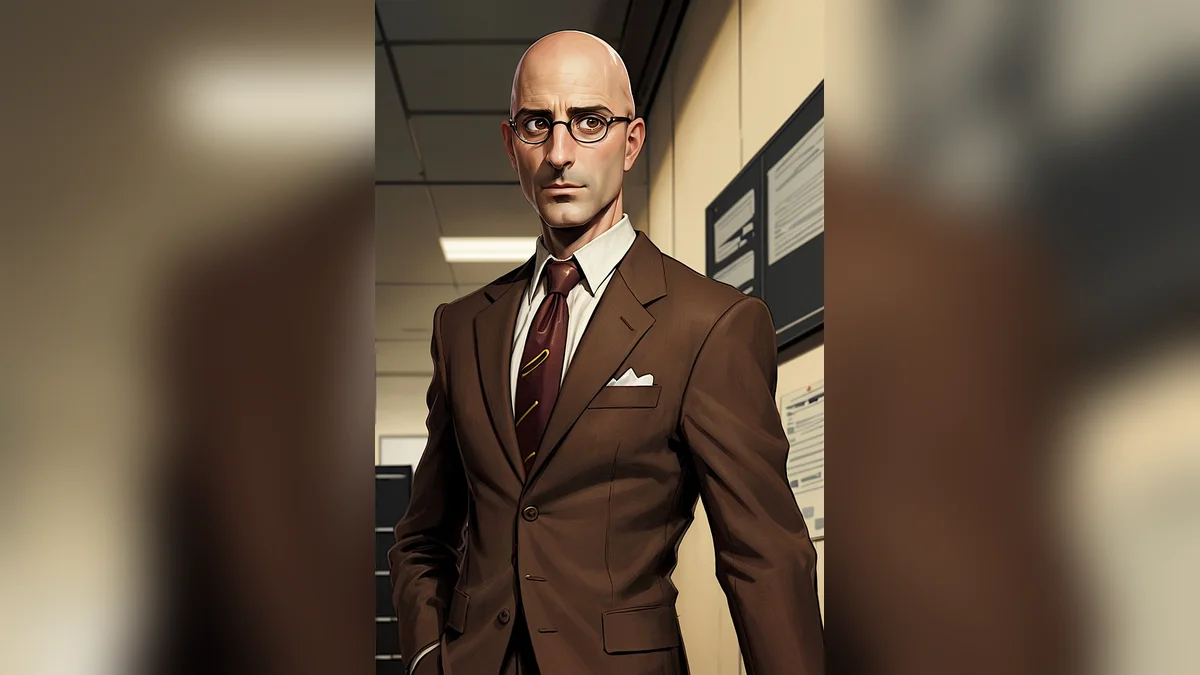
How to apply this: Hold a fabric swatch next to your face in daylight before buying — it reveals instantly whether a tone flatters your skin.
4. Prioritize Comfort Without Sacrificing Style
Comfort and style are not opposites. The best fashion over 60 advice treats comfort as a design requirement, not an afterthought.
Footwear deserves special attention. The American Podiatric Medical Association notes that well-fitting shoes with proper support help prevent foot problems, and it recommends shopping later in the day when feet are at their largest. You can read its guidance at the APMA website.
Comfort-forward choices that still look sharp:
- Stretch blends: A small amount of elastane in trousers keeps shape while allowing movement.
- Flat or low-block heels: These offer stability and read as modern.
- Soft tailoring: Unlined jackets and knit blazers move with you.
Look for closures you can manage easily — front zips, magnetic clasps, and pull-on styles. Adaptive clothing lines have expanded considerably, and many mainstream brands now include these features quietly.
A common scenario: someone buys a beautiful pair of shoes that pinch after an hour. The fix is simple — test new shoes indoors for a full day before committing to an event.
Comfortable clothing also gets worn more, which lowers your cost per wear. That is both a style and a budget win, and it is the quiet logic behind every good fashion over 60 wardrobe.
How to apply this: Before your next purchase, do a five-minute "sit, stand, walk, reach" test in the fitting room to check real-world movement.
5. Shop Smarter With the Right Tools
Smart shopping tools save time and reduce costly mistakes. A few well-chosen services do most of the work.
| Tool or Service | What it does | Action to take |
|---|---|---|
| Nordstrom | Free styling and alterations at many stores | Book a personal styling appointment |
| APMA | Foot health guidance and shoe seal program | Check for the APMA Seal of Acceptance |
| Retail size charts | Show exact measurements per brand | Compare to your saved measurements |
| Resale platforms | Offer quality pieces at lower prices | Filter by "excellent" condition |
| Tailors | Adjust fit on existing garments | Take in two items you already own |
Resale and consignment have grown into a major channel. ThredUp publishes annual resale reports tracking this growth, and secondhand shopping now appeals across age groups.
The key is to buy less but choose better. Set a rule: no purchase unless it works with at least three existing pieces.

Fashion over 60 becomes easier when shopping is planned rather than impulsive, and a short saved-measurements list is the simplest fashion over 60 habit you can build.
How to apply this: Save your measurements in a notes app and keep a running wish list so you buy only what fills a real gap.
Frequently Asked Questions About fashion over 60
What should I wear to a formal event after 60?
Choose a well-tailored dress or suit in a rich, solid color with comfortable shoes. A midi-length dress with a structured jacket works for most evening events. Avoid anything that requires constant adjustment. If the dress code is unclear, ask the host directly. Good fashion over 60 at formal events means looking polished while staying comfortable all night.
How do I dress for changing body shape?
Focus on fit at the shoulders and waist, then tailor the rest. Wrap tops, straight-leg trousers, and structured jackets create clean lines. Avoid overly tight or overly loose clothing — both draw attention to fit problems. Many department stores offer free alterations, so buy close and adjust.
Fashion over 60 works best when garments follow your shape rather than fighting it.
Is it worth paying for personal styling?
Yes, if you dislike shopping or feel stuck. A single session often saves money by preventing repeat mistakes. Services range from free in-store appointments to paid online boxes. Ask about return policies before committing. Personal styling is especially useful for fashion over 60 shoppers rebuilding a wardrobe after a life change like retirement or a move.
How do I look modern without following fast trends?
Invest in classic shapes and update them with one or two current details, like a fresh color or a new shoe style. Skip anything you would not wear in a year. Quality fabrics and good fit always read as current. Fashion over 60 stays fresh through thoughtful updates, not constant buying.
What are common wardrobe mistakes to avoid?
Buying duplicates, keeping clothes that no longer fit, and shopping only by trend are the big three. Also avoid shoes that hurt after an hour and fabrics that need constant ironing. Do a seasonal closet edit and donate what you have not worn in a year. Fashion over 60 improves fastest when you remove what does not work.
Conclusion
Great style after 60 comes down to a few reliable principles:
- Fit beats labels — tailor what you buy and check shoulders first.
- Build a capsule — fewer versatile pieces in a consistent palette.
- Use color and texture — tonal dressing and matte fabrics look polished.
- Put comfort first — supportive shoes and stretch blends get worn more.
- Shop with tools — measurements, resale, and tailoring save money.
The next step is simple: pull out your five most-worn pieces this week and build your next outfit around them. Fashion over 60 is not about age — it is about dressing with intention, and that starts with one small, deliberate choice today.





