fashion for elderly ladies has quietly become one of the fastest-growing segments in the apparel market, and the numbers back it up. According to the World Health Organization, the global population aged 60 and over will nearly double to 2.1 billion by 2050 — a demographic shift the clothing industry can no longer ignore.
Yet most seniors still struggle to find garments that balance comfort, dignity, and style. Fasteners are fiddly, cuts are boxy, and adaptive options often look clinical. This guide breaks down five practical secrets — from fabric choice to adaptive design — that make getting dressed easier and more enjoyable.
You will learn what to look for, which real brands and tools help, and how to build a wardrobe that feels like you.
1. Prioritize Adaptive Clothing Design for Daily Ease
Adaptive clothing is the single biggest upgrade in fashion for elderly ladies who value independence. These garments replace tricky buttons and zippers with magnetic closures, snap tape, and pull-on waistbands.
The Arthritis Foundation notes that arthritis affects roughly 1 in 4 adults, and fine-motor tasks like buttoning are among the first daily activities to become difficult. Adaptive design directly solves that friction. For many women, discovering adaptive options transforms how they approach fashion for elderly ladies entirely.
Look for these features:
- Magnetic or Velcro front closures instead of small buttons
- Side-entry openings for seated dressing
- Elastic or drawstring waists that adjust without hardware
- Seams positioned away from pressure points
Brands such as Silverts and Joe & Bella specialize in this category, offering pieces that look like everyday fashion rather than medical wear. One useful resource is the Silverts catalog, which labels each item by closure type so you can filter quickly.
How to apply this: Before your next purchase, check whether the item lists its closure type and whether it can be put on while seated.
2. Choose Fabrics That Balance Comfort and Structure
Fabric choice matters more than cut in fashion for elderly ladies, because skin becomes thinner and more sensitive with age. The right material prevents irritation and regulates temperature.
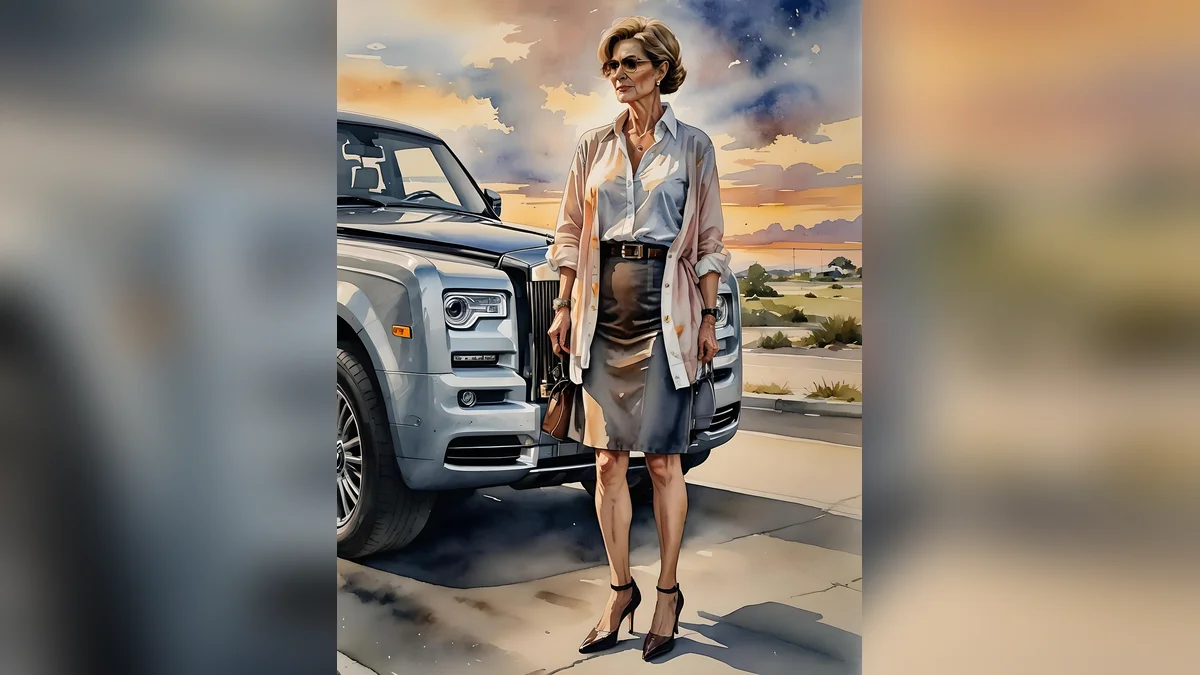
Dermatologists frequently point to cotton, bamboo, and modal blends as gentle options, while rough wool and stiff synthetics can cause chafing. Stretch content of 2–5% elastane gives structure without tightness. Understanding fabric performance is a core part of mastering fashion for elderly ladies.
Use this quick reference when shopping:
| Fabric | Best for | Watch out for | Action to take |
|---|---|---|---|
| Cotton jersey | Everyday comfort | Shrinking | Pre-wash cold |
| Bamboo blend | Sensitive skin | Limited durability | Check weave density |
| Cotton-elastane | Structured trousers | Over-stretch | Size up one |
| Linen blend | Warm weather | Wrinkling | Choose blends |
The Cleveland Clinic explains that aging skin loses moisture and elasticity, so breathable natural fibers reduce irritation risk significantly.
How to apply this: Flip the care label before buying and reject any garment with more than 5% synthetic fiber against the skin.
3. Get the Fit Right With Simple Measurement Rules
Fit is where most fashion for elderly ladies goes wrong — garments are often either too tight at the waist or too long in the sleeve. A few measurements fix this.
Take three numbers: bust, waist, and hip. Compare them against each brand's size chart rather than assuming your usual size. Posture changes with age, so a garment that fit at 50 may sit differently at 70. Getting the fit right is the foundation of successful fashion for elderly ladies.
Practical fit rules:
- Choose tops with drop shoulders for easier arm movement
- Pick trousers with a higher rise for seated comfort
- Avoid cuffs that catch on walking aids
- Test reach by raising both arms before removing tags
How to apply this: Measure yourself once and save the numbers in your phone notes so every online order starts from real data.

4. Build a Capsule Wardrobe Around Neutral Basics
A capsule wardrobe simplifies fashion for elderly ladies by reducing daily decisions. The idea is to own fewer pieces that all mix together.
Style consultants often recommend a base of 8–12 core items in two or three neutral tones, then layering in accent colors. This cuts clutter and makes dressing faster. A well-planned capsule is one of the smartest strategies in fashion for elderly ladies.
Start with these core pieces:
- Two pairs of well-fitting trousers
- Three tops in complementary colors
- One cardigan or light jacket
- One pair of comfortable, supportive shoes
The AARP regularly covers adaptive and age-friendly fashion, and its style guides emphasize versatile layering over trend-chasing.
How to apply this: Lay out your current wardrobe and remove anything you have not worn in six months — the gaps reveal what to buy next.
5. Use Smart Shopping Tools to Compare and Verify
Online shopping has made fashion for elderly ladies far more accessible, but it also creates noise. A few real tools cut through it.
Google Shopping lets you filter by price, material, and seller rating in one view. Trustpilot shows verified customer reviews so you can check whether a brand's sizing claims hold up. For accessibility, browser zoom and screen readers work well with most major retailers. Smart shopping tools help you navigate fashion for elderly ladies with confidence.
A compact comparison:

| Tool | What it tells you | Action to take |
|---|---|---|
| Google Shopping | Price and material filters | Set a max price |
| Trustpilot | Real customer feedback | Read sizing reviews |
| Retailer size chart | Exact measurements | Compare to your numbers |
How to apply this: Before checkout, run the brand name through Trustpilot and scan the three most recent sizing complaints.
Frequently Asked Questions About fashion for elderly ladies
What is adaptive clothing and who needs it?
Adaptive clothing uses modified closures and cuts for people with limited mobility, arthritis, or those recovering from surgery. It suits anyone who finds standard fasteners difficult, not just wheelchair users. Many fashion for elderly ladies shoppers adopt one or two adaptive pieces first before switching more of their wardrobe.
Are adaptive clothes more expensive than regular ones?
Prices vary widely — some adaptive basics cost about the same as standard garments, while specialist brands charge a premium. Compare per-wear cost rather than sticker price, since durable adaptive pieces often last longer. Check clearance sections and outlet pages before assuming fashion for elderly ladies must be costly.
How do I shop online when I cannot try items on?
Order from retailers with free returns, and buy two sizes when unsure. Read the size chart and customer photos carefully. Many fashion for elderly ladies shoppers find that ordering early in the week speeds up exchanges and keeps the process low-stress.
Can I still wear fashionable styles at 70 or 80?
Absolutely. Modern adaptive and age-friendly brands now replicate current trends in comfortable fabrics. The key is prioritizing fit and fabric over fast fashion cycles. Fashion for elderly ladies has moved well beyond boxy, uniform styles.
What shoes work best with adaptive outfits?
Choose shoes with wide toe boxes, secure but easy fastenings, and non-slip soles. Slip-on styles with elastic gussets suit most needs, while Velcro straps help those with limited dexterity. Match them to your capsule palette so fashion for elderly ladies stays coordinated and simple.
Conclusion
Getting dressed should feel good at every age, and the right approach makes that possible.
- Adaptive closures remove daily friction and protect independence
- Breathable natural fabrics keep skin comfortable and regulated
- Real measurements beat guesswork every time
- A small capsule wardrobe simplifies decisions and stretches your budget
Start today by measuring yourself, checking one brand on Trustpilot, and buying a single adaptive piece to test. Small changes in fashion for elderly ladies add up to a wardrobe that works with you, not against you.





