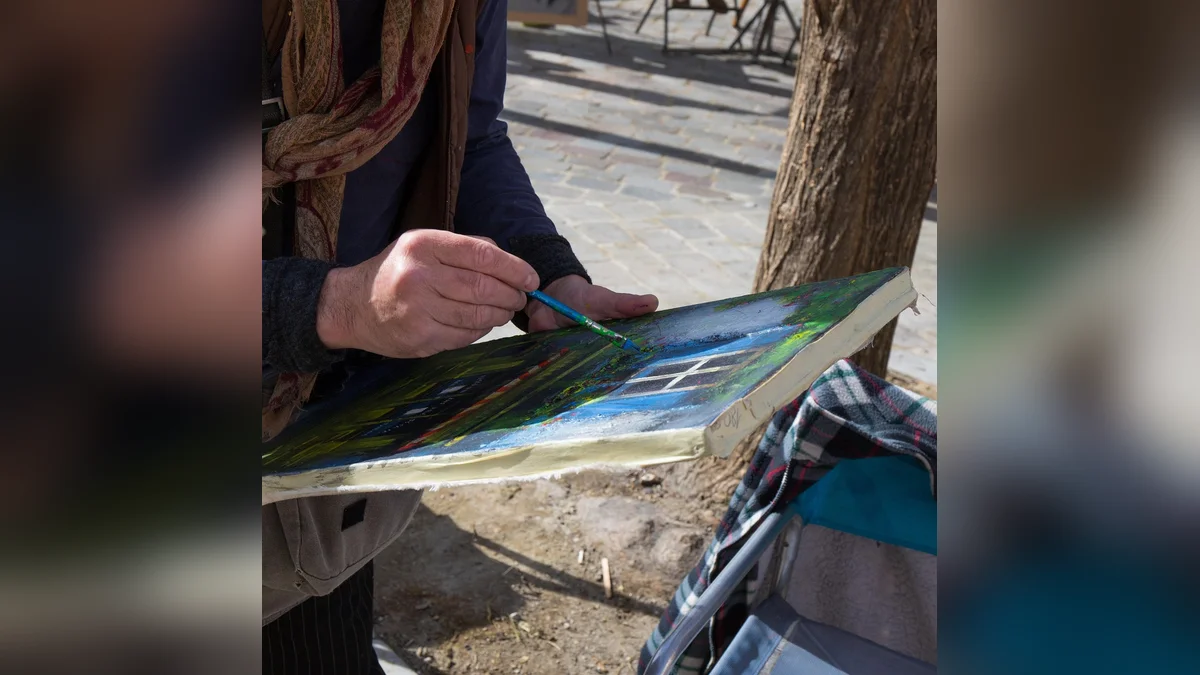
Engaging in drawing activities provides older adults with a rewarding outlet for creative self-expression, mental focus, and emotional enrichment. Holding a pencil, marker, or pastel allows individuals to shape lines and shadows at their own pace, transforming blank paper into a personal reflection of memory, observation, and imagination.
Cognitive Stimulation and Neurological Engagement
Mental Sharpness Through Creative Practice
Visual arts participation encourages sustained concentration and spatial reasoning, which helps keep the mind active during daily routines. As individuals trace shapes or shade gradients, multiple regions of the brain work together to evaluate distance, proportion, and texture. This form of low-stress problem solving reinforces neural pathways associated with visual processing and attentive observation. Regular practice builds familiarity with materials, turning complex artistic choices into an approachable routine that supports overall mental well-being over time.
Fine Motor Coordination and Hand Strength
Manipulating drawing tools requires gentle control over fingers, wrists, and forearms, offering a natural way to maintain dexterity. Gripping a charcoal stick or fine-point pen engages small muscle groups that benefit from regular, low-impact motion. Individuals often notice improved hand-eye coordination as they guide lines across a surface with intentional pressure and speed. This tactile engagement serves as an enjoyable alternative to repetitive physical exercises while encouraging steady control and refined motor movement in daily tasks.

Emotional Expression and Stress Reduction
Putting pencil to paper creates a quiet space for processing feelings and calming the nervous system after busy days. Selecting colors, textures, and subject matter offers a non-verbal language when words feel inadequate or unnecessary. This creative pause lowers daily tension by focusing attention on the immediate physical rhythm of drawing rather than outside worries. Many participants describe a sense of calm and accomplishment upon completing a sketch, reinforcing positive self-worth and emotional stability through personal achievement.
Social Connection and Shared Workshops
Gathering around a shared table to sketch or share sketchbooks fosters meaningful community bonds among peers. Group art sessions encourage gentle conversation, mutual encouragement, and the exchange of unique artistic techniques or memories. Collaborative projects or informal drawing circles reduce feelings of isolation by uniting individuals through a common, non-competitive pursuit. Such communal spaces cultivate a sense of belonging and mutual respect, enhancing the social vitality of neighborhoods and creative centers.

Practical Approaches for Starting a Sketching Routine
Establishing a comfortable drawing habit involves selecting basic materials like heavy sketch paper, soft graphite pencils, and comfortable seating with proper lighting. Setting aside a quiet time each week helps build consistency without pressure or strict performance expectations.
| Tool Category | Best Suited Purpose | Key Handling Benefit |
|---|---|---|
| Graphite Pencils | Shading and fine detail work | Easy to erase and adjust |
| Colored Pencils | Layering soft color tones | Clean grip with minimal mess |
| Oil Pastels | Bold strokes and rich color | Smooth glide on heavy paper |
| Fine Markers | High-contrast outlines | Consistent ink flow without pressure |
Helpful Steps to Begin Drawing Today
- Select a quiet space with natural light and a sturdy table surface.
- Gather heavy paper and a medium-soft graphite pencil for smooth practice.
- Begin with simple contour lines of everyday household objects or leaves.
- Allow lines to remain imperfect while focusing on the joy of motion.
Frequently Asked Questions
Do I need previous artistic experience to start drawing?
No prior background is required to begin exploring visual arts at any stage of life. Creative expression focuses on personal enjoyment, observation, and relaxation rather than producing museum-quality masterpieces or competing in formal exhibitions.
What supplies are easiest on arthritic hands?
Thicker barrel pencils, ergonomic grips, soft pastels, and smooth paper reduce hand fatigue. Using larger drawing surfaces also allows individuals to draw using broader arm movements instead of tight finger tension.

How often should someone practice drawing?
Even short sessions lasting fifteen to twenty minutes a couple of times a week offer meaningful relaxation and focus. Consistency matters far more than long hours or strict daily schedules.
Conclusion
Embracing drawing activities opens a gentle pathway to lifelong learning, calm reflection, and renewed creative confidence. Pick up a favorite pencil today and sketch a simple household object on paper to experience the quiet joy of making your first mark.