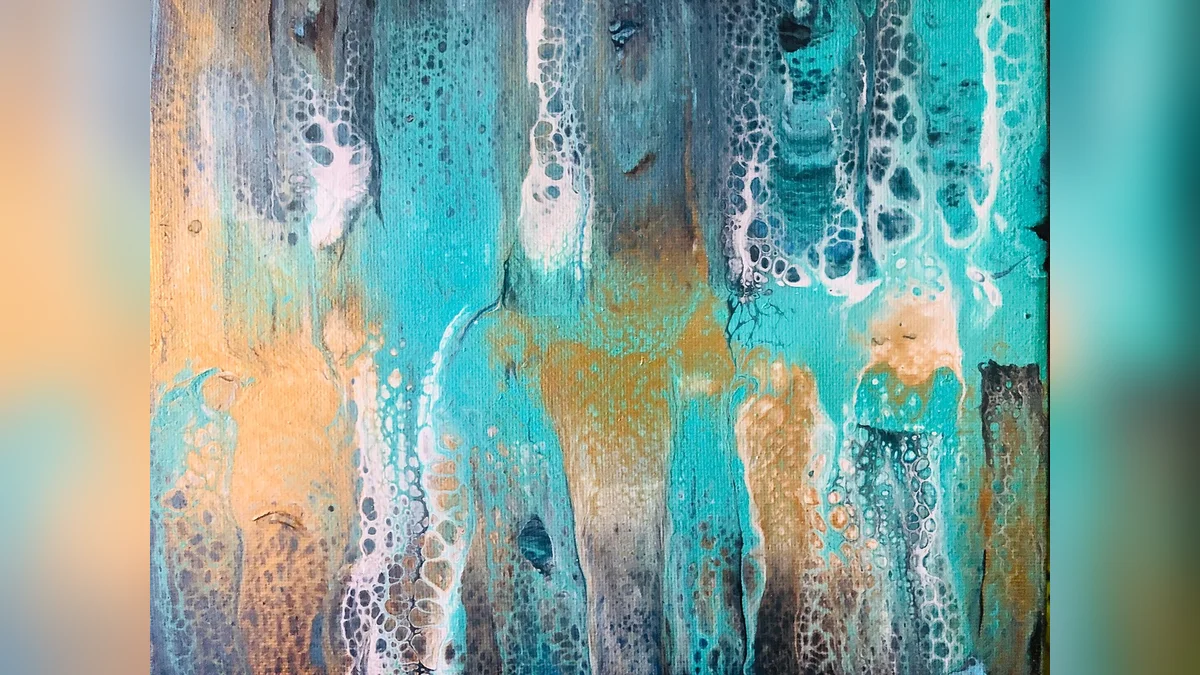
Participating in structured studio art courses provides mature individuals with meaningful outlets for personal expression, cognitive engagement, and community building. Whether picking up a paintbrush for the very first time or returning to a lifelong passion after years away, creative workshops foster a sense of discovery and accomplishment. These environments blend hands-on skill development with social connection, transforming local studios and community rooms into vibrant hubs of imagination and shared cultural appreciation.
Core Dimensions of Artistic Learning
Cognitive Stimulation and Focus
Engaging with visual arts challenges the brain to solve spatial and technical puzzles through active concentration. Selecting pigments, balancing composition, and measuring perspective require sustained mental flexibility that strengthens cognitive resilience. Studies on creative aging suggest that learning unfamiliar techniques builds new neural pathways and maintains mental agility. Painters and sculptors frequently report deeper immersion and relief from everyday stress as they concentrate on brushstrokes. This steady mental engagement supports overall cognitive wellness while providing a tangible sense of progression and personal empowerment throughout each weekly project.
Fine Motor Coordination
Working with brushes, carving tools, pottery clay, and charcoal pencils gently exercises hand and finger dexterity. Fine motor control naturally benefits from the repetitive, deliberate movements required to guide a line or shape a wet form. Instructors often adapt tools with ergonomic grips or softer mediums to accommodate varying physical strengths. Over time, practicing detailed strokes enhances grip strength and hand-eye coordination in a low-pressure setting. Students notice gradual improvements in their manual precision, which translates smoothly into greater confidence when tackling intricate craft projects or everyday writing tasks at home.

Emotional Expression and Calm
Creative studios offer a peaceful outlet for processing complex emotions, memories, and personal stories through visual symbolism. Selecting colors and textures allows participants to communicate feelings that words sometimes struggle to capture fully. The quiet rhythm of shading or throwing pottery induces a meditative state that lowers everyday tension and promotes inner tranquility. Sharing these personal creations within a supportive group environment validates individual experiences and fosters deep emotional bonds. Art becomes a comforting sanctuary where quiet reflection meets joyful outward communication.
Social Connection and Community
Art classes naturally break down social isolation by gathering people together around shared tables and easels. Collaborating on group critiques or admiring a neighbor’s sketchbook sparks immediate conversation and mutual encouragement. Many neighborhood centers and local hubs build lasting friendships that extend well beyond scheduled studio hours. This sense of belonging enriches daily routines and creates a dependable network of creative peers. Participating in local exhibitions or community showcases further cements pride, turning individual studio time into a vibrant communal celebration.

Finding the Right Studio Fit
Selecting an appropriate class involves evaluating local community centers, lifelong learning institutes, or regional art guilds to match personal pacing and creative goals. Reviewing instructor backgrounds, studio accessibility, and class sizes ensures a comfortable environment where creative confidence can flourish naturally.
| Art Medium | Primary Equipment | Key Skill Focus |
|---|---|---|
| Watercolor Painting | Paper, brushes, transparent pigments | Water control and color layering |
| Ceramics and Clay | Pottery wheel, kiln, hand tools | Form shaping and tactile balance |
| Charcoal Drawing | Vine charcoal, heavy paper, blending stump | Value contrast and light shadow |
| Acrylic Painting | Canvas panels, acrylic tubes, palette knife | Texture building and vibrant color |
| Mixed Media | Adhesives, textured paper, print blocks | Layering composition and design |
Essential Checklist Before Enrollment
- Visit the local studio space in person to inspect lighting and seating ergonomics.
- Ask instructors whether specialized supplies are provided or if a personal starter kit is required.
- Confirm that room layouts accommodate easy movement and accessible wheelchair pathways.
- Inquire about introductory or audit sessions to test the teaching style before committing.
Frequently Asked Questions
Do I need previous drawing experience to join a beginner class?
Beginner-level courses assume no prior background and focus on foundational fundamentals like line quality and basic color mixing. Instructors guide everyone step by step through simple exercises designed to build technical confidence without any pressure or comparison.
What basic art supplies should I purchase before the first meeting?
Most community programs distribute a specific syllabus detailing exact starter materials so you avoid buying unnecessary items. Instructors frequently recommend an introductory sketchpad, a basic brush set, and student-grade paints during the opening orientation.
How do instructors accommodate physical stiffness or hand tremors?
Teachers readily recommend adaptive grips, lighter drawing boards, or larger brushes that reduce strain on fingers and wrists. Lessons allow flexible pacing so participants can rest whenever needed and work comfortably at their own preferred speed.
Conclusion
Stepping into a studio art class opens a rewarding path toward lifelong learning, emotional balance, and rich social camaraderie. Taking that initial step into a local workshop can transform an ordinary afternoon into an inspiring creative journey. Reach out to your nearest community center today to explore upcoming class schedules.