Modern mobile phones for seniors provide an indispensable bridge to loved ones, emergency services, and vital daily digital tools. Choosing the right device significantly improves personal independence while keeping technical frustration to an absolute minimum. Selecting an appropriate handset involves balancing clarity, reliability, physical comfort, and accessible software interfaces tailored to individual visual or auditory preferences.
Key Priorities for Selecting the Ideal Handset
Optimized Display and Interface Usability
A clear screen remains the foundation of a successful mobile experience for many individuals. High-contrast displays with adjustable text scaling allow readers to navigate menus comfortably without straining their eyes or needing reading glasses constantly. Modern operating systems frequently include simplified home screen modes that feature large, unmistakable icons and straightforward menu layouts. These intuitive interfaces eliminate overwhelming digital clutter, making primary tasks like sending a text message or checking notifications remarkably stress-free. Prioritizing software that allows customized icon placement ensures that essential applications remain easily reachable on the main screen at all times.
Enhanced Audio Quality and Hearing Compatibility
Reliable sound performance represents another crucial element when evaluating prospective cellular devices. Many current models offer specialized hardware integration that connects seamlessly with modern hearing aids to reduce distracting background static and digital interference. Amplified volume settings and robust speakerphone capabilities help users hear conversations clearly, even when talking in noisy environments or busy public areas. Dedicated acoustic tuning options allow individuals to adjust specific frequencies, compensating for unique hearing changes and making voices sound more natural. Ensuring consistent audio clarity reduces communication fatigue and helps maintain meaningful, frequent conversations with family members.

Physical Ergonomics and Durability Standards
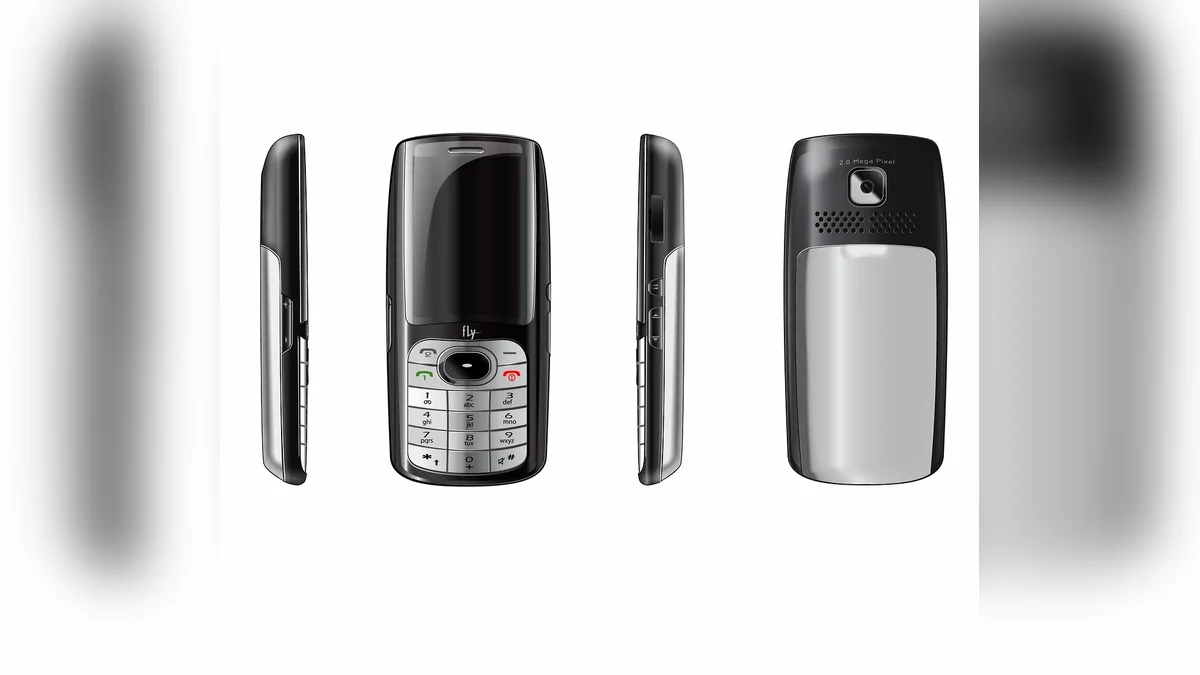
The structural design of a handset directly affects how comfortably a person can operate it throughout the day. Devices with textured back panels or matte finishes provide a secure grip, significantly reducing the likelihood of accidental drops. Traditional flip designs offer tactile physical buttons that give clear feedback, which is helpful for those who find smooth glass touchscreens difficult to navigate. Pocket-sized smartphones with reinforced glass and durable frames offer resilience against occasional impacts while remaining lightweight enough for easy carrying. Choosing a comfortable form factor ensures the device feels natural to hold during long conversations.
Dependable Battery Life and Charging Methods
A reliable power supply provides peace of mind, ensuring the device remains operational during unexpected situations or long days away from home. Phones with efficient processors and optimized standby modes can last for several days on a single charge, removing the anxiety of a dying battery. Simple charging accessories, such as magnetic cables or stable desktop docking cradles, eliminate the frustration of aligning tiny cords with small ports. This straightforward charging process encourages regular power upkeep, keeping the device ready for use whenever it is needed. Long-lasting battery performance guarantees consistent access to essential communication networks.

Practical Device Comparisons
Reviewing different hardware styles helps clarify which features best match your personal daily routine. Comparing specific structural designs alongside their primary functional advantages ensures that your final choice delivers the right balance of simplicity, modern connectivity, and day-to-day usability. The following breakdown highlights common options currently available for shoppers.
| Device Category | Primary Advantage | Ideal Reader Benefit |
|---|---|---|
| Classic Flip Phone | Tactile physical keypad | Prevents accidental screen dialling |
| Simplified Smartphone | Large touchscreen icons | Easy viewing and menu navigation |
| Standard Smartphone | Robust application library | Access to video calling services |
| Durable Rugged Phone | Reinforced outer casing | Survives accidental drops on ground |
Essential Pre-Purchase Checklist
- Verify that the phone model integrates perfectly with your existing or preferred wireless network carrier.
- Test the physical weight and grip comfort in your hand before finalizing any retail purchase.
- Confirm the device supports text size enlargement options within the main system settings menu.
- Check for explicit compatibility with your specific brand and model of personal hearing assistance.
Frequently Asked Questions
Can I keep my current phone number when switching to a new device?
Yes, you can almost always transfer your existing mobile number to a new handset. Your current wireless carrier or the new service provider can facilitate this process through a standard industry procedure known as number porting during activation.
Are monthly contracts required for these types of mobile phones?
No, long-term contracts are not mandatory for modern mobile access. Many service providers offer flexible, prepaid monthly plans or month-to-month service agreements, allowing you to pay only for the specific talk, text, and data limits you require.
What is the benefit of a phone with a dedicated emergency button?
A dedicated assistance button allows you to contact designated family members or urgent emergency services instantly. Pressing this single button saves critical time during stressful situations, removing the need to navigate complex menus or dial numbers manually.
Conclusion
Selecting the right mobile phone involves identifying your specific visual, auditory, and physical preferences to find a comfortable match. The ideal device enhances your daily independence and keeps you safely connected to your community without unnecessary technical stress. Visit a local electronics retailer today to test different handset styles in person.