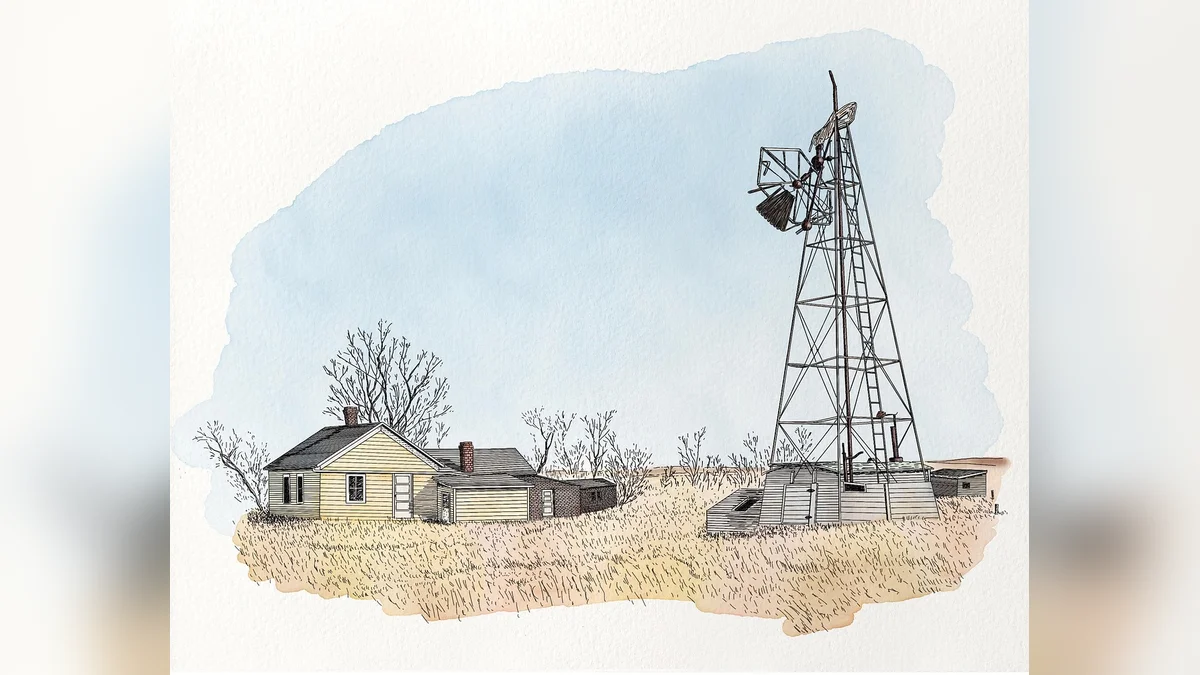
Engaging in creative programs during later life offers meaningful opportunities for artistic expression, mental stimulation, and social connection. These structured activities span visual arts, creative writing, music, and performance, providing flexible environments where individuals can explore new skills, process life experiences, and share personal stories with supportive communities.
Dimensions of Creative Engagement
Visual Arts and Painting
Participating in painting and drawing classes allows participants to work with watercolors, acrylics, and mixed media in relaxed settings. These visual workshops emphasize personal interpretation and emotional expression rather than strict technical perfection. Instructors guide learners through foundational brushwork, color mixing, and composition principles. Creating tangible artwork boosts confidence and fine motor dexterity while providing a peaceful outlet for mindfulness and self reflection during weekly studio sessions.
Creative Writing and Memoir
Writing circles and personal history workshops encourage older adults to document memories, poetry, and short fiction. Facilitators prompt writers with thematic questions that unlock decades of rich life experiences and family heritage. Sharing these narratives aloud fosters deep empathy and mutual respect among group members. The act of organizing thoughts onto paper sharpens cognitive focus, preserves personal legacies, and creates lasting literary anthologies that celebrate individual voices within the broader community.

Music and Choral Groups
Joining community choirs, drum circles, or instrumental ensembles brings the proven cognitive benefits of rhythm and melody into daily routines. Participants practice breathing techniques, vocal harmonization, and basic rhythm patterns without needing prior professional training. Making music together activates multiple regions of the brain simultaneously and lifts overall mood. Group performances and informal rehearsal sessions build strong social bonds and reduce feelings of isolation through shared acoustic harmony.
Theater and Improv Arts
Improvisational theater and storytelling performance groups invite participants to step outside their comfort zones in playful, low pressure environments. Acting exercises focus on active listening, spontaneous dialogue, and physical movement rather than memorizing lengthy scripts. These dynamic sessions spark laughter, quick thinking, and emotional resilience. Ensemble members build trust and camaraderie as they collaborate on humorous sketches and collaborative scene work that celebrates spontaneity at any stage of life.

Choosing the Right Creative Outlet
Selecting an ideal creative program involves matching personal interests with energy levels, physical comfort, and desired social dynamics. Exploring local community centers, senior hubs, and virtual art initiatives helps individuals discover welcoming spaces that align with their artistic curiosities and weekly schedules.
| Program Category | Primary Benefit | Typical Setting |
|---|---|---|
| Visual Arts | Fine motor skills and mindfulness | Community art studios |
| Creative Writing | Memory preservation and self reflection | Libraries and writing circles |
| Music and Choirs | Cognitive stimulation and social harmony | Recreation halls and auditoriums |
| Theater and Improv | Spontaneity and emotional expression | Black box spaces and rooms |
How to Evaluate Local Creative Classes
- Review class schedules to verify meeting times match your daily energy peaks.
- Contact instructors to ask whether all baseline materials are provided on site.
- Observe a single session beforehand to assess the room atmosphere and pacing.
- Inquire about scholarship options or sliding scale fees if budget matters.
Frequently Asked Questions
Do I need prior artistic experience to join?
No prior experience is necessary for most introductory workshops. Facilitators specifically design lessons to welcome complete beginners and guide participants gently through foundational techniques at a comfortable, individualized pace.
Are virtual or online creative classes available?
Many organizations offer live video sessions and digital art tutorials. These remote options allow participants to engage in creative practices comfortably from home using standard computers or tablets.

How do these programs support overall well-being?
Participating regularly reduces stress and combats loneliness. Combining cognitive focus with creative freedom nurtures emotional health and strengthens a sense of personal purpose throughout the retirement years.
Conclusion
Embracing creative programs enriches daily routines and opens doors to fresh personal growth. Reach out to your local community center or library today to browse upcoming class listings and find a creative workshop that inspires you.