Caring for your senior dog involves shifting daily routines to match changing physical needs, energy levels, and health vulnerabilities. As dogs enter their later years, proactive adjustments in nutrition, veterinary oversight, home safety, and gentle exercise help maintain comfort, support declining mobility, and preserve a high quality of life through the golden stages.
Comprehensive Health and Physical Needs
Veterinary Checkups and Wellness Screening
Frequent wellness visits are essential because older dogs face higher risks of hidden systemic conditions like kidney disease or dental decay. Regular physical evaluations allow your veterinarian to detect subtle shifts early through routine bloodwork and joint assessments. Catching minor metabolic changes before symptoms escalate enables prompt medical intervention. Partnering closely with your clinic ensures customized care plans tailored to your companion. Detailed recommendations can be explored via the American Veterinary Medical Association guidelines for aging pets.
Tailored Nutrition and Weight Management
Dietary requirements shift significantly as metabolism slows and lean muscle mass naturally decreases in older canines. Senior-specific dog foods often provide balanced fiber, controlled phosphorus levels, and easily digestible proteins to protect internal organs. Maintaining an optimal body condition prevents excess mechanical stress on arthritic hips and elbows. Portion control remains critical since unintended weight gain accelerates joint deterioration. Consulting your veterinarian helps establish appropriate caloric targets based on activity level and breed size.

Joint Support and Mobility Adaptations
Stiffness and osteoarthritis frequently emerge as cartilage wears down over years of active movement. Providing orthopedic bedding relieves pressure points and cushions aching joints during prolonged resting periods. Gentle, low-impact walks maintain remaining muscle strength without causing acute inflammation or joint strain. Non-slip rugs across hardwood floors prevent accidental slips that could trigger painful muscle sprains. Slippery staircases may require physical blockades or portable ramps to protect vulnerable limbs.
Cognitive Health and Mental Enrichment
Brain aging can manifest as confusion, altered sleep cycles, or disorientation in familiar home environments. Engaging your companion with puzzle toys and gentle scent games stimulates neural pathways and reduces boredom. Maintaining predictable daily schedules fosters a sense of security and minimizes anxiety-related behaviors. Nightlights placed along common pathways help dogs with declining vision navigate safely after dark. Patience and steady reassurance strengthen emotional bonds during periods of mental transition.

Daily Lifestyle and Environment Optimization
Adapting your living space and daily habits ensures your older dog navigates each day with minimal stress, physical safety, and steady emotional comfort.
| Care Focus | Common Challenge | Actionable Adjustment |
|---|---|---|
| Veterinary Access | Late symptom detection | Schedule bi-annual exams |
| Home Traction | Slippery floor falls | Add non-slip runners |
| Daily Exercise | Joint overexertion | Opt for short walks |
| Rest Quality | Hard floor pressure | Provide orthopedic beds |
Essential Home Safety Checks
- Inspect all indoor flooring surfaces for slick areas where senior paws might slide easily.
- Raise food and water bowls to shoulder height to reduce neck and shoulder strain.
- Keep room temperatures stable since older pets struggle with extreme heat or cold.
- Check claws weekly to prevent overgrown nails from altering natural gait mechanics.
Frequently Asked Questions
When does a dog officially become senior?
Small breeds enter seniority later than large breeds. Larger dogs reach this stage around age six or seven.
How often should senior dogs visit the vet?
Veterinarians typically recommend comprehensive checkups every six months to monitor changing organ function and mobility.
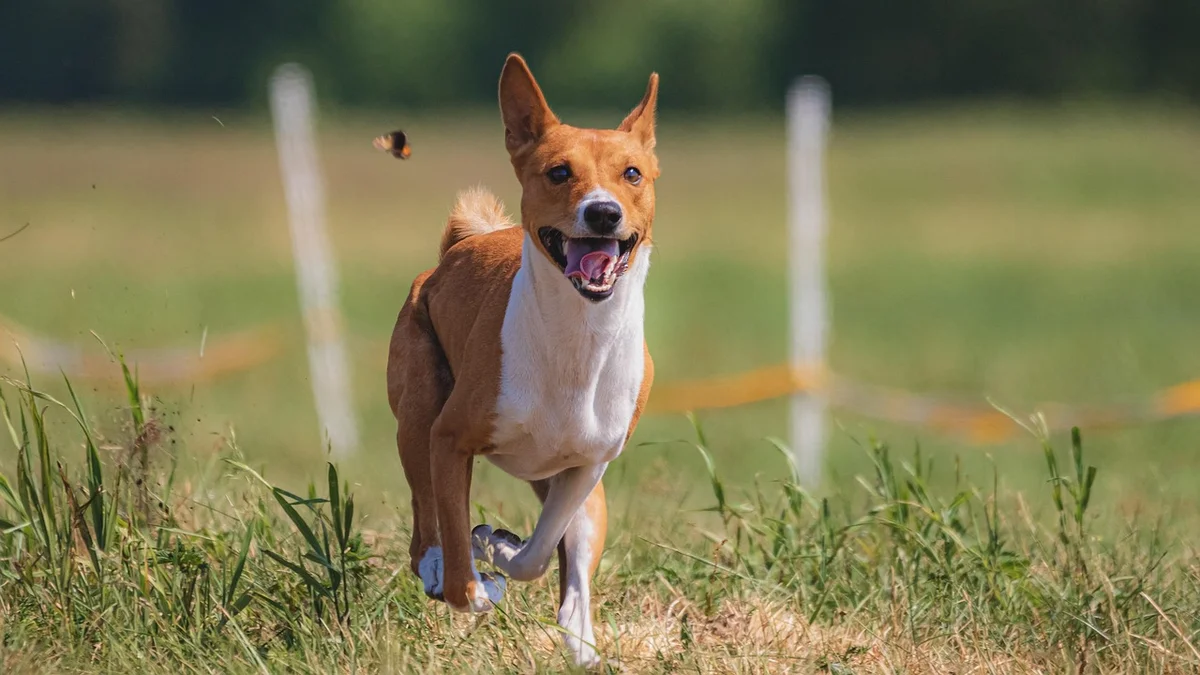
Can older dogs still enjoy daily exercise?
Yes, short and gentle walks maintain muscle tone without overloading stiff or arthritic joints.
Conclusion
Supporting your senior dog requires attentive observation, gentle home modifications, and consistent veterinary guidance. By adapting your daily habits to honor their changing pace, you ensure your loyal companion enjoys comfort, dignity, and warmth throughout their final rewarding years.