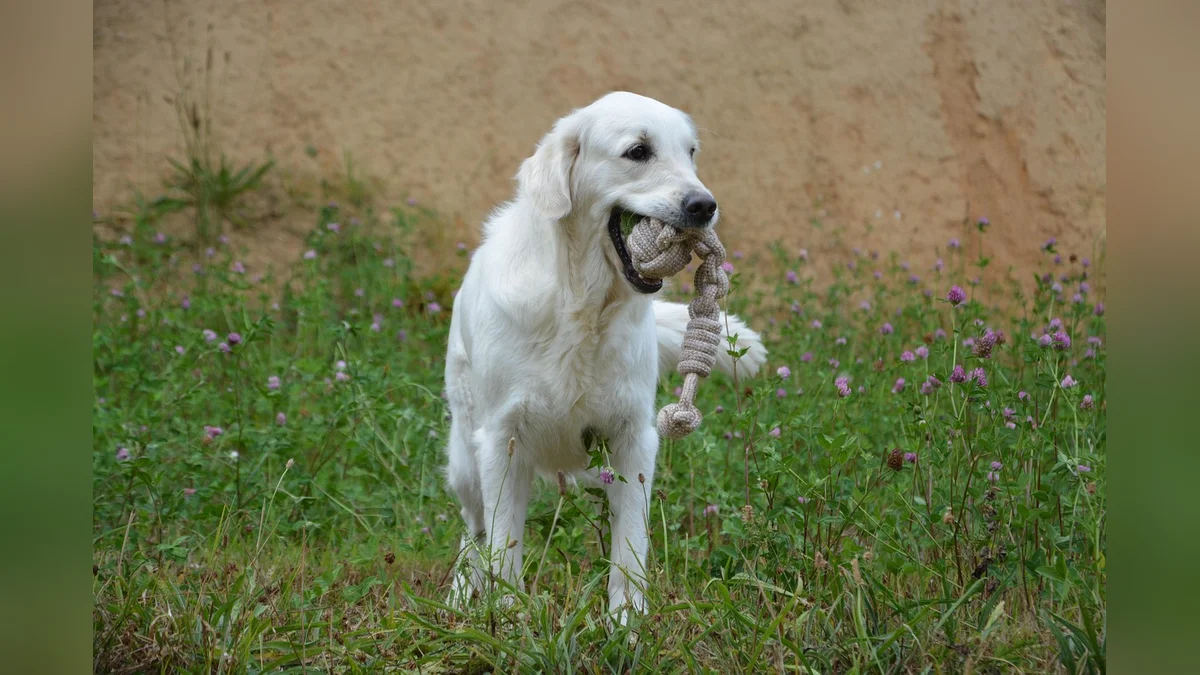
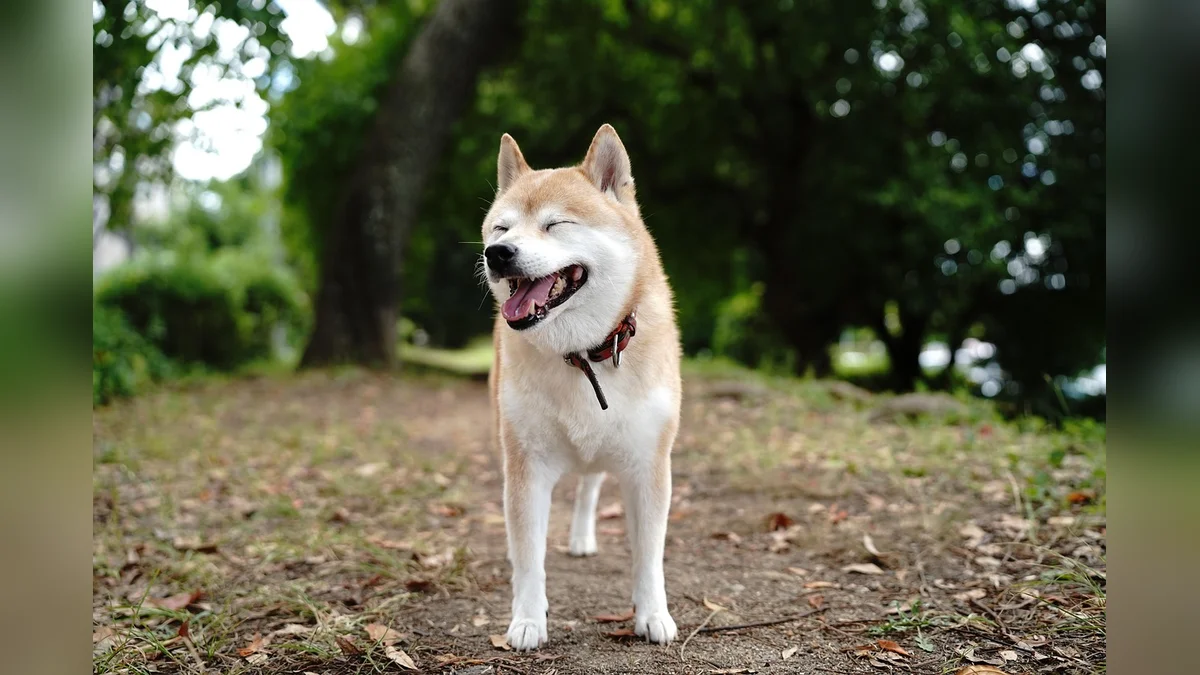
Caring for an aging dog involves adapting daily routines to support changing physical needs, sensory decline, and shifting energy levels. As dogs transition into their later years, proactive adjustments in nutrition, home accessibility, and veterinary oversight help preserve comfort, minimize joint discomfort, and maintain a high quality of life through every quiet milestone.
Essential Daily Support for Aging Canines
Nutritional Adjustments and Dietary Balance
Senior dogs typically experience a slower metabolic rate and reduced daily activity, which means their caloric intake must be monitored closely to prevent unwanted weight gain that strains aging joints. According to guidelines from the American Kennel Club, shifting toward a specialized senior formulation helps manage body condition while delivering targeted nutrients. These diets often incorporate joint-supporting supplements like glucosamine alongside easily digestible proteins. Feeding smaller, more frequent meals can also assist older digestive systems, ensuring your companion absorbs essential vitamins without experiencing gastrointestinal heaviness or sudden drops in blood sugar throughout the day.
Home Modifications for Improved Mobility
Stiff joints and declining muscle mass make navigating slick hardwood floors and high furniture increasingly challenging for older dogs. Installing low-profile ramps, placing rubber-backed non-slip rugs along common walking paths, and providing orthopedic memory foam beds can dramatically reduce physical strain. As outlined by the American Society for the Prevention of Cruelty to Animals, relocating primary food bowls and resting spaces to a single main floor eliminates the need to negotiate stairs. Simple environmental alterations prevent accidental slips, protect fragile hips, and encourage confident movement throughout the household routine.

Gentle Exercise and Mental Enrichment
Physical activity remains vital for older dogs, though the intensity and duration should transition from high-impact running to slow, sniffing-focused neighborhood walks. Short, frequent outings stimulate circulation, maintain remaining muscle tone, and prevent stiffness without overwhelming fragile cardiovascular systems. Mental enrichment exercises, such as puzzle toys, hide-and-seek treat games, and scent work, provide cognitive engagement that keeps the mind active. Tailoring these activities to your dog's individual stamina ensures they experience the joy of exploration without suffering from physical exhaustion or painful joint flare-ups the following morning.
Proactive Veterinary Screening and Pain Recognition
Subtle behavioral shifts often serve as the primary indicator that an aging dog is experiencing hidden discomfort or underlying metabolic changes. Regular checkups allow veterinarians to evaluate dental health, monitor organ function, and detect conditions like arthritis or vision loss early. Establishing a partnership with your clinic ensures timely adjustments to pain management protocols or medication dosages. Recognizing that slowness or hesitation is not merely stubbornness enables caregivers to intervene compassionately, alleviating silent suffering and helping senior pets navigate their golden years with dignity, relief, and continuous veterinary support.

Practical Strategies for Daily Comfort
Implementing targeted adjustments to your dog's sleeping arrangements, grooming schedule, and indoor temperature protects against environmental stress. Observing subtle changes in daily habits helps you identify early signs of discomfort before they escalate into complex medical challenges.
| Care Category | Recommended Focus | Key Observation Sign |
|---|---|---|
| Resting Area | Supportive orthopedic foam bedding | Reluctance to rise after naps |
| Grooming Care | Frequent brushing and nail trims | Matting or overgrown paw nails |
| Climate Control | Draft-free rooms and warm coats | Shivering or seeking heat sources |
| Hydration Access | Multiple low-edge water bowls | Increased thirst or hesitation |
Actionable Steps for Daily Senior Dog Wellness
- Inspect your dog paws weekly for long nails and cracked pads.
- Place supportive ramps near favorite couches and car entry doors.
- Keep water stations accessible on every frequently visited floor level.
- Schedule regular veterinary exams twice a year for early checks.
Frequently Asked Questions
When does a dog officially become a senior?
Dogs generally transition into their senior years between ages seven and nine, depending heavily on their overall breed size, genetics, and lifetime health care.
How often should senior dogs visit the veterinarian?
Older dogs benefit from comprehensive veterinary examinations at least twice a year to catch age-related conditions early.

Can senior dogs still learn new tricks or games?
Senior dogs retain the ability to learn and thrive on low-impact mental stimulation, puzzle toys, and gentle scent-based games.
Conclusion
Caring for an aging dog rewards your patience with deep companionship and quiet devotion. By tailoring nutrition, updating home access, and monitoring comfort closely, you ensure a peaceful environment. Schedule a comprehensive wellness check with your veterinarian this week to evaluate your dog's current health plan.