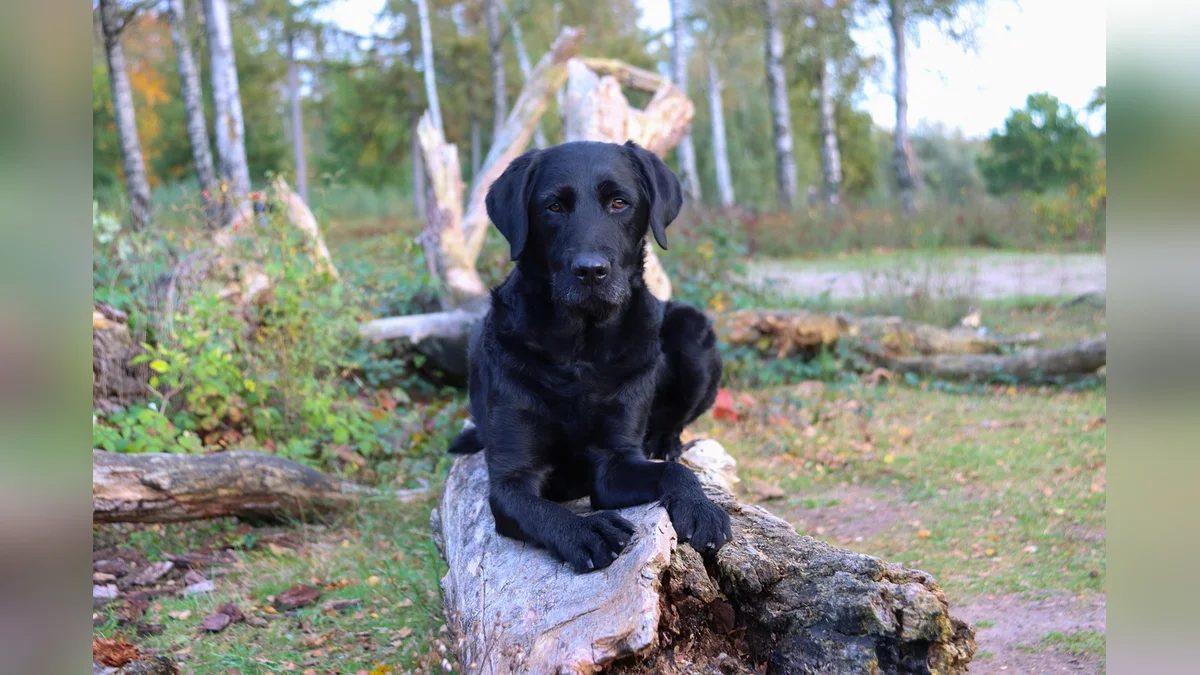
Caring for elderly dogs involves understanding how their changing physical and cognitive needs require gentle adjustments to daily routines, nutrition, and home environments. As canine companions enter their golden years, proactive monitoring helps manage common age-related conditions like joint stiffness, sensory decline, and lower metabolic rates. Thoughtful attention preserves comfort, dignity, and overall happiness.
Essential Aspects of Senior Canine Wellness
Nutrition and Diet Management
Senior dogs often experience a slower metabolism and decreased physical activity, making weight management essential to prevent unnecessary stress on aging joints and internal organs. Diets formulated for older dogs typically feature balanced protein levels to maintain muscle mass along with added fiber for digestive regularity. Veterinarians may recommend specific nutrient blends or targeted supplements to support kidney function and reduce systemic inflammation. Consulting a trusted professional ensures that dietary changes align with individual health profiles rather than generalized assumptions about aging pets, promoting better vitality each day.
Mobility and Joint Support
Joint wear and tear commonly lead to stiffness, arthritis, and hesitation when navigating stairs, hardwood floors, or elevated furniture surfaces. Providing orthopedic bedding helps cushion pressure points and improves resting comfort during deep sleep cycles. Non-slip rugs or runners placed throughout living spaces prevent dangerous slips and restore confidence as dogs move around the home. Portable ramps or shallow steps assist senior companions in getting onto couches or into vehicles safely. Gentle, low-impact movement keeps muscles engaged without aggravating sensitive joints or causing exhaustion.

Veterinary Monitoring and Preventive Care
Routine wellness examinations shift from annual visits to semi-annual or quarterly checkups to detect subtle physiological changes before they escalate into major issues. Blood panels, urinalyses, and blood pressure checks offer critical insight into hidden metabolic shifts or cardiac concerns. Keeping up with comfortable dental hygiene prevents oral pain that can severely impact appetite and general mood. Staying proactive with parasite control and vaccination schedules ensures that compromised immune systems remain well-protected against external threats throughout all seasonal transitions.
Environmental and Behavioral Adjustments
Sensory changes involving vision or hearing require a stable, predictable home layout where furniture and water bowls stay in fixed locations. Senior dogs can develop confusion or anxiety linked to cognitive dysfunction, making consistent daily schedules deeply reassuring. Nightlights help navigate darkened hallways if night vision has faded, while climate control protects against extreme heat or cold sensitivity. Offering quiet resting zones away from household commotion lets aging dogs recover peacefully without feeling overwhelmed by sudden noise or energetic younger pets.

Evaluating Daily Comfort and Quality of Life
Assessing an aging companion requires balancing physical vitality, emotional calmness, and daily enjoyment to ensure every day remains meaningful and pain-free. Small adjustments in observation help caregivers catch subtle shifts early.
| Care Category | Optimal Condition | Warning Sign |
|---|---|---|
| Hydration and Appetite | Eats regular meals and drinks clean water willingly. | Sudden refusal of food or unusual water intake. |
| Walking and Posture | Moves with steady balance and minor stiffness. | Severe limping or inability to stand unaided. |
| Alertness and Sleep | Responds to familiar voices and sleeps soundly. | Disorientation, crying out, or chronic pacing. |
| Bathroom Habits | Eliminates outside or on designated training pads. | Frequent indoor accidents or sudden distress. |
Practical Action Steps for Aging Dogs
- Schedule wellness checkups twice yearly with your local veterinarian to review bloodwork results.
- Place supportive non-slip rugs across all slick tile and hardwood flooring areas.
- Serve fresh moisture-rich meals and monitor daily water consumption levels closely.
- Provide quiet orthopedic sleeping mats away from heavy household traffic paths.
Frequently Asked Questions
When does a dog officially become a senior?
Dogs reach senior status at different ages based largely on breed size and genetics. Larger breeds often transition into their senior years around age six or seven, whereas smaller companion breeds may remain mature adults until age ten or older.
Do older dogs require less daily exercise?
Senior dogs generally need shorter, more frequent walks rather than long, strenuous runs. Gentle daily movement keeps joints lubricated and muscles active, provided you avoid overexertion during warm weather or steep climbs.
How can I ease my dog's nighttime restlessness?
Nighttime pacing or whining can stem from joint discomfort, canine cognitive dysfunction, or failing vision. Providing a warm orthotic bed, a soft nightlight, and consulting your veterinarian for pain relief options often restores calm rest.
Conclusion
Supporting an aging canine companion requires patience, regular observation, and a willingness to adapt your home to their shifting physical needs. Partnering closely with veterinary specialists ensures that every adjustment enhances comfort. Take the next step today by scheduling a comprehensive senior wellness exam.