brain exercises for elderly are most effective when they combine novelty, challenge, and social interaction rather than repetitive puzzles alone.
A landmark finding from the Rush Memory and Aging Project, published in Neurology, showed that cognitively active older adults had a markedly slower rate of cognitive decline than less active peers — and the effect held even after researchers accounted for education and prior ability.
The problem is that most advice online is vague. "Stay mentally active" tells you nothing about what to actually do on a Tuesday morning.
This guide breaks down five practical strategies, each backed by research and paired with a concrete action. You will also get a comparison table, tool recommendations, and answers to the questions caregivers ask most often.
1. Learn Something Genuinely New to Build Cognitive Reserve
The single most important principle behind brain exercises for elderly is novelty. Repeating a crossword you have already solved trains recall, not flexibility. Learning a new language, instrument, or craft forces your brain to build fresh neural pathways — a concept researchers call cognitive reserve.
A study in The Journals of Gerontology found that older adults who took short courses in new skills — digital photography or quilting, for instance — showed measurable gains in memory compared with groups doing familiar activities. The key variable was unfamiliarity, not difficulty.
Consider a 68-year-old retiree who starts weekly Spanish lessons on a free app and practices with a neighbor. Within months, the challenge shifts from vocabulary to conversation, keeping the difficulty curve rising.
- Pick one skill you have never attempted, not one you used to be good at.
- Schedule it at the same time each week so it becomes routine.
- Track progress in a simple notebook to stay motivated.
A common tool for structured learning is Duolingo, which offers short daily lessons across dozens of languages and adapts difficulty as you improve.
How to apply this: Choose one unfamiliar skill today and block 20 minutes on your calendar three times this week.
2. Pair Physical Movement With Mental Challenge
Exercise that works your body and your brain simultaneously delivers outsized benefits. Research on dual-task training — walking while counting backward, or dancing to a changing rhythm — consistently shows stronger executive-function gains than physical or mental training alone.

Dance is the standout example. A widely cited study in the New England Journal of Medicine followed older adults for up to 21 years and found that frequent dancing was associated with a significantly lower risk of dementia, more so than many other leisure activities.
The mechanism appears to involve coordination, memory for steps, and social engagement firing together. That combination is hard to replicate sitting still.
- Try a beginner's dance class or follow-along video at home.
- Walk a familiar route and alternate counting steps forward and backward.
- Practice tossing a soft ball between hands while naming fruits in alphabetical order.
How to apply this: Add one dual-task element to your next walk — count backward from 100 by sevens as you go.
Combining physical movement with mental effort is one of the most effective brain exercises for elderly adults. Dual-task activities like walking while counting backward show how brain exercises for elderly people can strengthen both body and mind at once.
A realistic weekly schedule makes brain exercises for elderly adults easier to maintain over the long term. Consistency matters more than intensity, so small daily brain exercises for elderly individuals deliver better results than occasional cramming sessions.
3. Use Structured Digital Programs With Real Evidence
Computerized brain-training programs are popular, but the evidence is mixed. The best-known large trial, supported by the National Institutes of Health and published in Alzheimer's & Dementia, found that a specific speed-of-processing training produced lasting improvements in everyday function years later — while other commercial programs showed weaker transfer to real life.
That nuance matters. Brain exercises for elderly work best when the trained skill maps onto something you actually do.
A practical approach is to use a program like BrainHQ, developed by Posit Science, which focuses on processing speed and attention tasks studied in clinical research. Pair it with real-world activity rather than treating it as a standalone fix.
| Program type | Best for | Evidence strength | Action to take |
|---|---|---|---|
| Speed-of-processing training | Attention and reaction time | Strong in long-term trials | Try 15 minutes, 3x weekly |
| Memory-match games | Short-term recall | Moderate | Use as a warm-up only |
| Language apps | Cognitive reserve | Moderate | Commit to weekly lessons |
| Dance classes | Dual-task + social | Observational, promising | Join one local class |
| Puzzle books | Routine recall | Limited transfer | Rotate puzzle types often |
How to apply this: Pick one row from the table that matches your goal and start with three sessions this week.

4. Protect Sleep, Diet, and Social Ties — the Foundation
No mental workout compensates for poor sleep or isolation. The Lancet Commission on dementia prevention estimated that a substantial share of dementia cases may be attributable to modifiable risk factors, including physical inactivity, social isolation, and untreated hearing loss.
Hearing deserves special mention. When you strain to follow conversation, your brain spends resources on decoding sound instead of encoding memory. A simple hearing check can therefore be one of the most effective brain exercises for elderly people — it removes a hidden barrier.
In one case, a 74-year-old who began wearing hearing aids reported reading and conversation feeling "effortless again," and her family noticed she re-engaged in group discussions.
- Aim for a consistent sleep and wake time, even on weekends.
- Eat a Mediterranean-style pattern rich in vegetables, fish, and olive oil.
- Schedule at least two social contacts per week, in person where possible.
The World Health Organization's guidance on reducing cognitive decline and dementia risk recommends physical activity, social engagement, and managing conditions like hypertension and diabetes.
How to apply this: Book a hearing test and one social commitment this month before adding any new brain game.
5. Build a Weekly Routine You Will Actually Keep
Consistency beats intensity. The brain responds to regular, moderate challenge far better than to occasional cramming, and habits anchored to existing routines survive longer.
A realistic weekly plan might include two learning sessions, two dual-task walks, one social activity, and daily sleep discipline. That is roughly 30 minutes a day — sustainable for most people.
To track adherence, a simple habit tracker works well. Google Calendar or a paper journal both let you mark completed sessions and spot gaps early.
- Start small: two sessions in week one, then add one per week.
- Review monthly: drop anything you dread and replace it.
- Recruit a partner: shared routines have higher retention.
How to apply this: Write your first week's schedule now, with specific days and times, and set phone reminders.
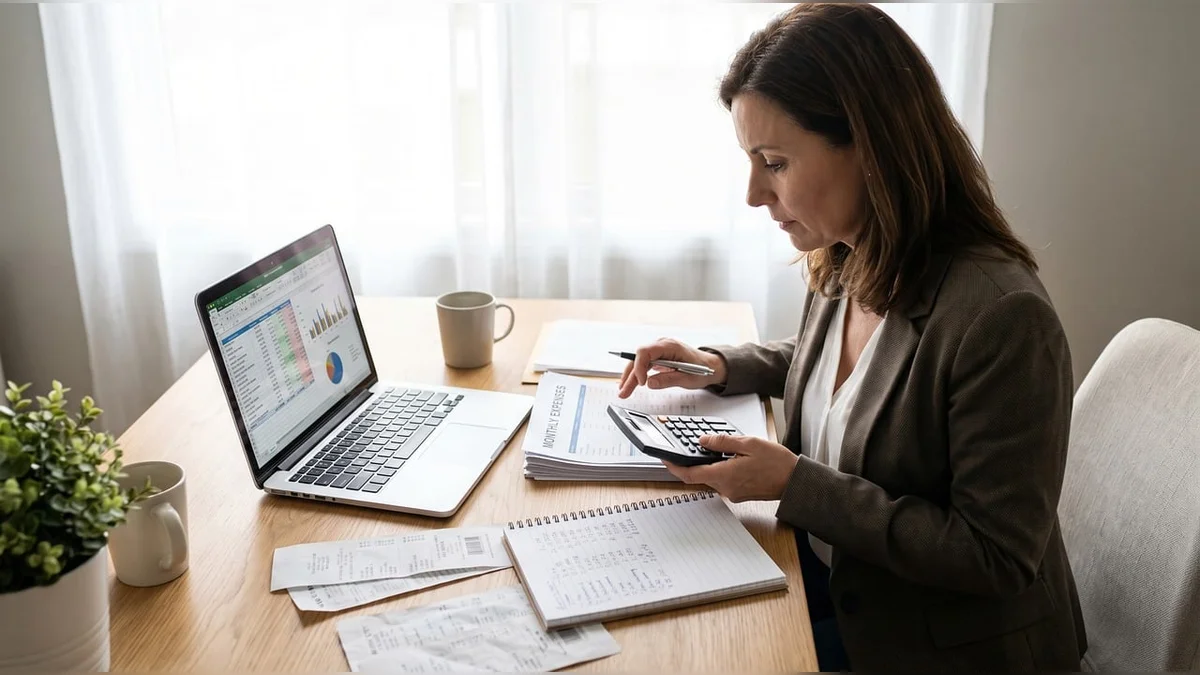
Consistency beats intensity, so schedule your brain exercises for elderly in short daily slots rather than weekend marathons.
Anchor brain exercises for elderly to existing habits like morning coffee, and your weekly routine will survive far longer.
Frequently Asked Questions About brain exercises for elderly
Do brain games actually prevent dementia?
No program has been proven to prevent dementia outright. The strongest evidence shows that cognitive training can improve the specific skills you practice and may support everyday function, but claims of guaranteed prevention are unsupported. Treat brain exercises for elderly as one part of a broader healthy-lifestyle approach that includes movement, sleep, and social contact.
How long should a session last?
Most research protocols use sessions of 15 to 45 minutes, several times per week. Longer sessions do not automatically produce better results and often reduce adherence. If you are new to brain exercises for elderly, start with 15 minutes and increase only when the routine feels easy and automatic.
Is it too late to start in your 80s?
It is not too late. Studies of older adults in their 80s and 90s show that new learning still produces measurable gains, though progress may be slower. The key is matching difficulty to current ability. A supervised program through a local senior center can help tailor brain exercises for elderly to individual needs.
Can caregivers do these activities with a parent who has mild cognitive impairment?
Yes, and shared activity often improves engagement. Choose tasks with clear steps and low frustration, such as sorting, simple card games, or singing familiar songs. A clinician can advise on adapting brain exercises for elderly people with diagnosed impairment, since some tasks may need simplification or supervision.
Are free options as good as paid programs?
Often they are. Many free activities — learning a language, dancing, walking while counting — have research support comparable to commercial products. Paid programs mainly offer structure and progress tracking. For brain exercises for elderly on a budget, prioritize variety, novelty, and consistency over subscription cost.
Conclusion
The evidence points in a consistent direction. The best brain exercises for elderly combine novelty, physical movement, social contact, and steady routine — not a single magic app.
- Novelty matters most: learn skills you have never tried.
- Combine body and brain: dual-task activities like dance outperform sitting puzzles.
- Fix the basics first: sleep, hearing, diet, and social ties set the stage.
- Keep it weekly: consistency outperforms intensity every time.
Your next step is simple: open your calendar, pick one strategy from this guide, and schedule three sessions for this week. Then review how it felt and adjust from there.





