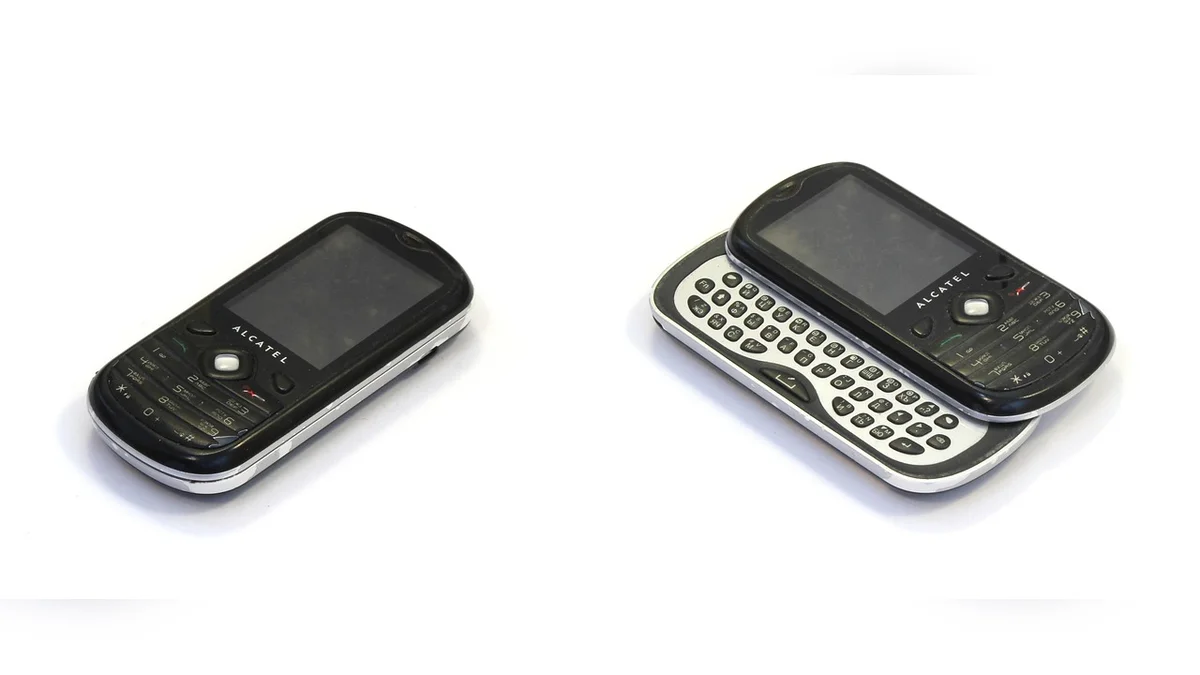
Securing a complimentary or low-cost communication device involves navigating federal assistance frameworks designed to bridge digital divides. Eligible households tap into established public benefits {1.1.2} that offset monthly service costs {1.1.1}. By verifying qualifying income thresholds or active participation in recognized state aid initiatives, individuals connect with approved telecommunication companies {1.1.1} offering hardware options {1.1.2} to maintain vital daily contacts {1.2.2}.
Navigating Federal and State Assistance Frameworks
Federal Lifeline Support Foundations
The primary federal mechanism facilitating discounted telecommunications is administered via structured universal service guidelines {1.1.2}. Overseen by federal authorities and coordinated through designated administrative entities, this long-standing initiative reduces the financial burden of standard voice or data plans {1.1.1}. While the core structure focuses primarily on ongoing monthly cost reductions rather than automatic hardware distribution {1.1.1}, several authorized regional carriers bundle promotional equipment packages for qualifying new subscribers who complete proper enrollment procedures through official communication channels found at the Universal Service Administrative Company.
State-Level Complementary Programs
Many state jurisdictions supplement national assistance by providing localized telecommunication grants or enhanced regulatory requirements for participating network providers {1.1.1}. These localized policies sometimes establish broader baseline criteria or unique supplemental credits that interact smoothly with federal subsidies {1.1.1}. Residents living within specific commonwealths or territories should check state-specific public utility commission websites to discover if regional add-ons {1.2.2} unlock expanded equipment choices, additional mobile minutes, or higher data caps beyond standard baseline offerings managed nationwide {1.2.1}.

Income and Benefit Verification Pathways
Qualifying for telecommunication assistance depends directly on documented proof of household earnings or active enrollment in social safety net programs {1.1.1}. Individuals can satisfy eligibility requirements by demonstrating total annual income that falls at or below designated federal poverty guidelines {1.1.1}. Alternatively, proof of active participation in programs like Medicaid, Supplemental Nutrition Assistance, or federal housing assistance serves as an immediate qualifying alternative {1.1.1}. Applicants must provide updated documentation during the initial application phase and complete mandatory annual reviews {1.1.2} to keep active status.
Selecting Authorized Service Providers
Once government eligibility {1.1.1} is officially verified through the central verification database, consumers must select a participating commercial telecommunication company {1.1.1} operating in their local service area. Not every wireless carrier participates in public benefit support {1.1.1}, making provider comparison an essential step. Approved companies manage their own inventory {1.1.2}, activation timelines, and specific device models {1.1.2}. Reviewing carrier details on the Federal Communications Commission portal helps clarify which corporate entities deliver reliable coverage {1.2.2}.

Comparing Support Options and Provider Benefits
Evaluating available telecommunication assistance options requires balancing device capabilities against monthly service allowances {1.2.1}. Different carriers structure their promotional hardware and minute bundles independently within federal boundaries {1.2.1}.
| Program Category | Core Service Benefit | Typical Equipment Provision |
|---|---|---|
| Federal Lifeline | Monthly discount up to $9.25 on voice or data {1.1.1} | Carrier-dependent basic or smartphone hardware {1.1.2} |
| Tribal Lands Support | Enhanced monthly discount up to $34.25 {1.1.1} | Specialized regional provider handset options {1.1.1} |
| State Add-On Credit | Extra local reduction on monthly bills {1.1.1} | Supplemental local promotional devices {1.2.2} |
| Carrier Bundled Plan | Combined voice minutes and text allocations {1.2.1} | Standard entry-level cellular device included {1.1.2} |
Essential Action Steps for Program Applicants
- Review household financial documents or current public assistance participation letters before starting the application process.
- Submit an online or mail application through the designated federal eligibility administration portal.
- Wait for official verification confirmation from the administrator {1.1.3} regarding your approved status.
- Contact a participating local wireless provider to select your approved device and activate service.
Frequently Asked Questions
How do I prove my eligibility for assistance?
Applicants prove eligibility by submitting official documentation showing income below federal thresholds or active enrollment in programs like Medicaid or SNAP {1.1.1}. Digital or paper records must match your current legal name and residential address {1.1.2}.
Are cellular devices completely free of charge?
While federal rules discount monthly service {1.1.1}, specific cellular hardware costs depend on the chosen participating carrier. Some providers supply promotional devices {1.1.2} at no upfront cost, while others offer hardware upgrades.

Can I switch my current provider later?
Yes, consumers retain the right to transfer their active benefit to another participating telecommunication company {1.1.2}. Proper transfer requests prevent service interruption and ensure continuous connectivity {1.2.2} for emergency needs.
Conclusion
Securing affordable telecommunication tools relies on understanding official public assistance structures and provider rules. To begin your journey today, visit the official portal to review current eligibility guidelines and locate participating wireless providers operating within your local community.