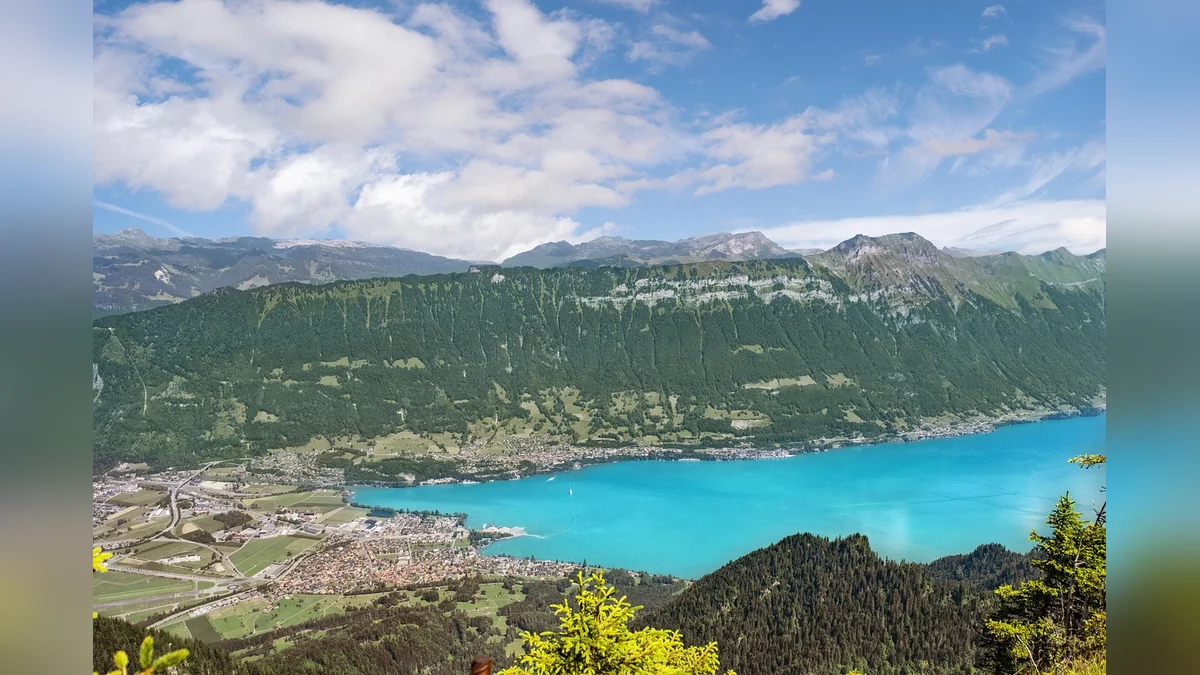
Outdoor trail systems across public lands provide diverse ways to enjoy nature through varied paths engineered for safety and inclusivity. Many destinations feature firm boardwalks, graded gravel paths, and clear navigational markers that accommodate different mobility levels. Exploring these outdoor settings lets visitors experience scenic landscapes comfortably without needing specialized technical equipment or facing unexpected physical barriers along the way.
Understanding Trail Design and Surface Standards
Surface Composition and Firmness
The physical material of a path dictates how easily wheels, canes, and walking shoes move across natural terrain. Federal agencies outline specific technical standards for outdoor paths through guidelines like the Forest Service Trail Accessibility Guidelines to ensure surfaces remain firm and stable. Paved asphalt, wooden boardwalks, and compacted crushed stone minimize rolling resistance. These structured materials prevent sinking or slipping during wet weather, creating predictable footing that supports steady pacing and reduces strain during longer outdoor excursions.
Grade Slopes and Elevation Changes
Managing incline steepness is essential for maintaining comfort and safety on natural footpaths. Guidelines restrict maximum vertical grade percentages and cross-slopes to prevent excessive physical exertion or loss of traction. Gentle slopes allow visitors to maintain a steady rhythm without abrupt steep climbs. Trail designers incorporate resting intervals and level turning spaces along sloped sections so people can pause safely, take in the surrounding views, and adjust their pace before continuing forward.

Clear Tread Widths and Clearance
Physical space along a corridor determines how comfortably individuals can navigate past natural vegetation or structural handrails. Standardized corridors require minimum clear tread widths so mobility aids and walking companions can pass smoothly. Low-hanging branches, protruding rocks, and narrow pinch points are routinely cleared during maintenance cycles. Maintaining open lateral clearance prevents accidental snags or collisions, ensuring that every person moves forward with maximum spatial awareness and physical security.
Signage and Distance Information
Accurate pre-trip communication helps visitors select routes that match their personal stamina and preferences. Trailhead information boards detail total path mileage, surface types, maximum slope gradients, and bench locations. Clear markers placed at regular intervals let hikers monitor their exact progress. Knowing what to expect ahead eliminates uncertainty, reduces anxiety about turning back prematurely, and empowers everyone to plan comfortable outings that align with their daily energy levels.

Planning Your Next Outing
Reviewing official park documentation or digital mobile resources helps identify routes tailored to your specific physical comfort. Checking local weather updates and parking proximity ensures a smooth arrival before hitting the trail.
| Trail Surface Type | Typical Grade Range | Best Suited For |
|---|---|---|
| Paved Asphalt | Low to Moderate | Maximum rolling ease |
| Wooden Boardwalk | Flat and Level | Wet or marshy areas |
| Compacted Gravel | Gentle Slopes | Natural forest settings |
| Natural Earth | Variable Grades | Drier seasonal conditions |
Essential Pre-Hike Verification Steps
- Consult official park guides to review verified surface materials and slope ratings.
- Examine trailhead maps to locate benches and shaded resting pavilions.
- Confirm parking proximity and accessible restroom facilities before departure.
- Check seasonal weather forecasts to avoid slippery or muddy trail conditions.
Frequently Asked Questions
How do I find verified accessible paths?
You can explore official park maps and resource guides available through the National Park Service Trails Directory to locate detailed trail descriptions.
Are support animals welcome on public trails?
Trained service animals are permitted on all public trails where visitors are allowed, provided they remain under active control and on a leash.

Do I need specialized equipment to hike?
Standard walking shoes, supportive trekking poles, or standard mobility aids are usually sufficient for exploring well-maintained and graded park pathways safely.
Conclusion
Engaging with nature through well-planned trail systems offers rewarding physical and mental refreshment for every visitor. Take time to check current park updates and choose a nearby path that fits your preferred pace today.